Stoop

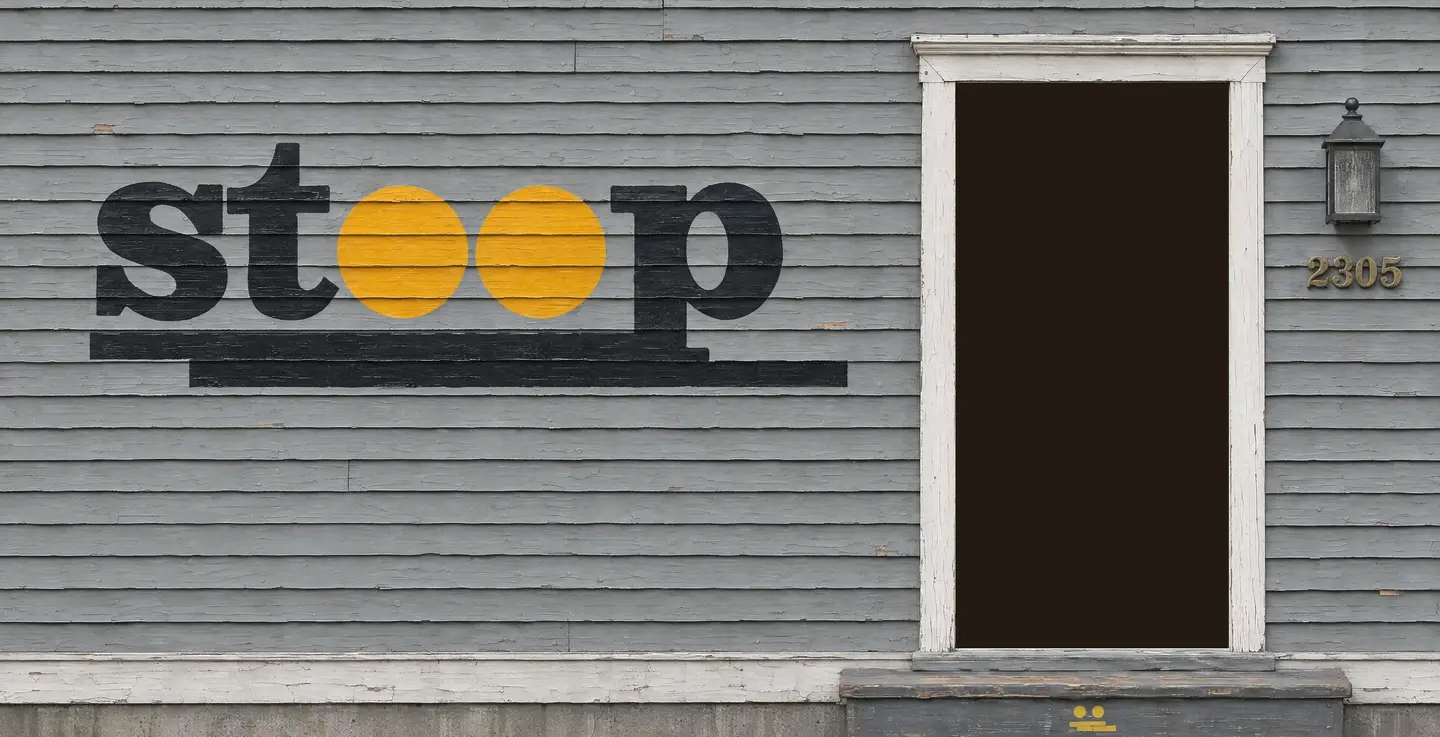
The Stoop mark, sign-painted on old gray siding: s, t, two marigold discs for the o’s, and p, standing on a stepped black bar.
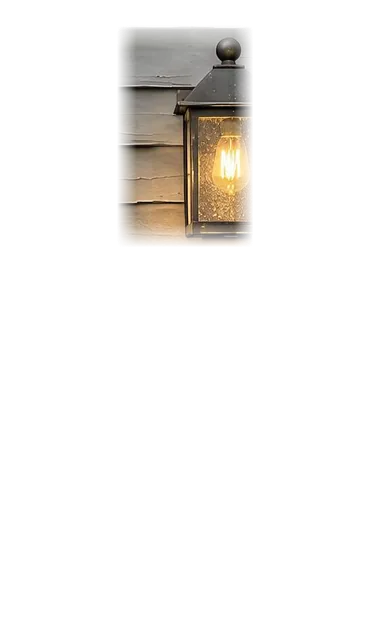
The front of number 2305. The Stoop mark is sign-painted across old gray siding: s, t, two marigold discs for the o’s, and p, standing on a stepped black bar. Beside it, a front door in a white casing, an iron lantern, brass numbers and two worn steps.
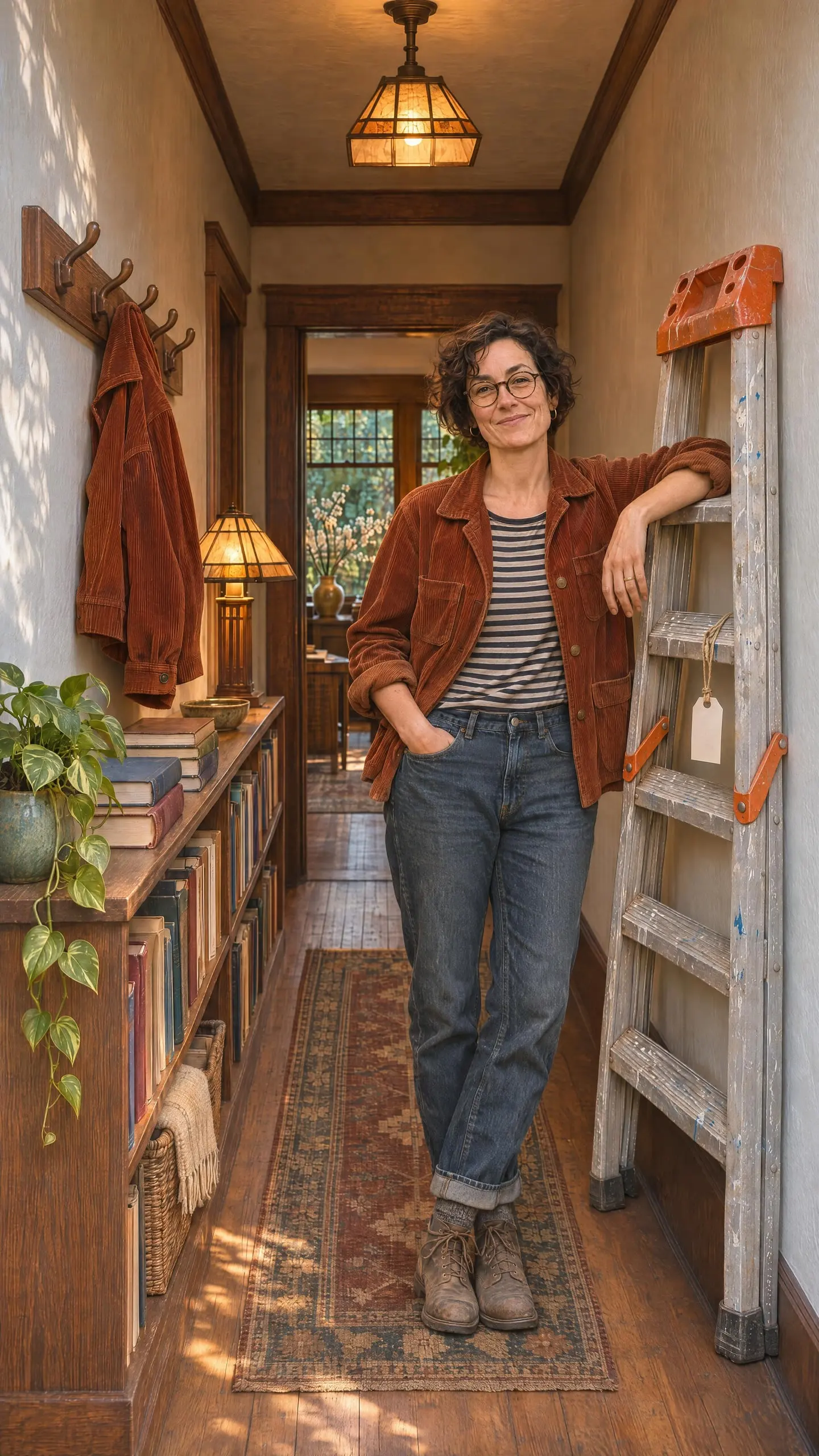
Ines Calloway in her hall, among library books, beside the paint-spattered ladder.

An app for borrowing from the neighbors. Software, 2026.

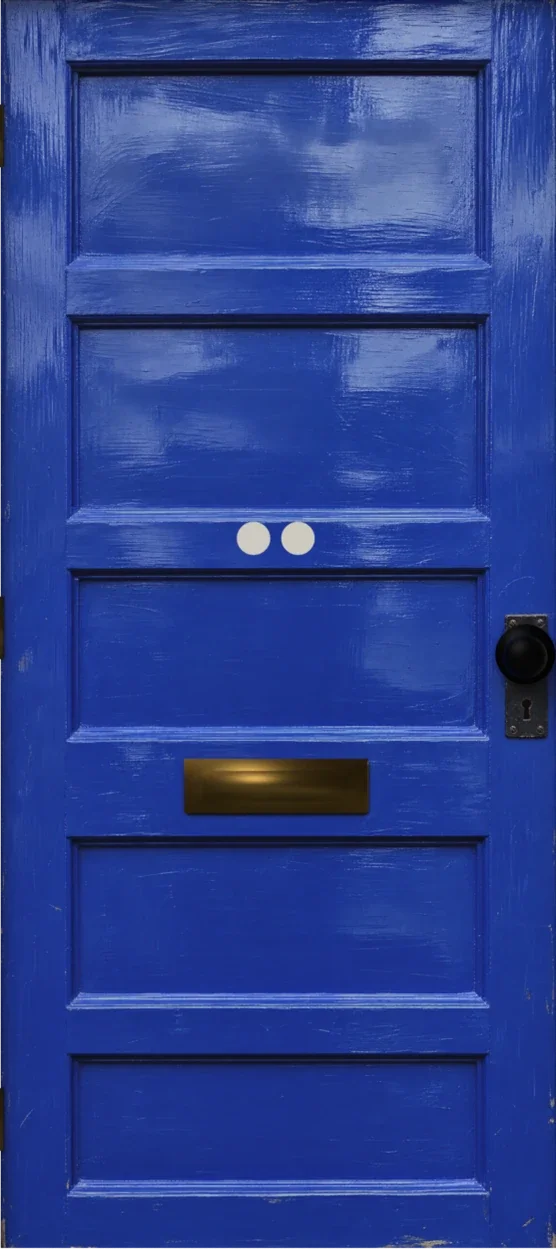
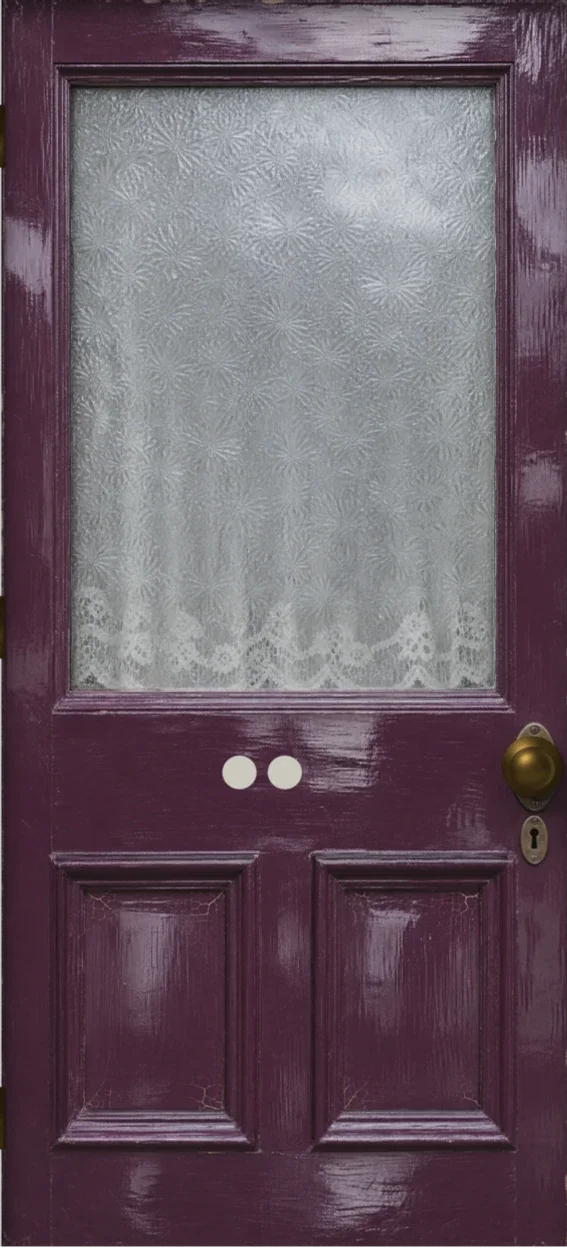
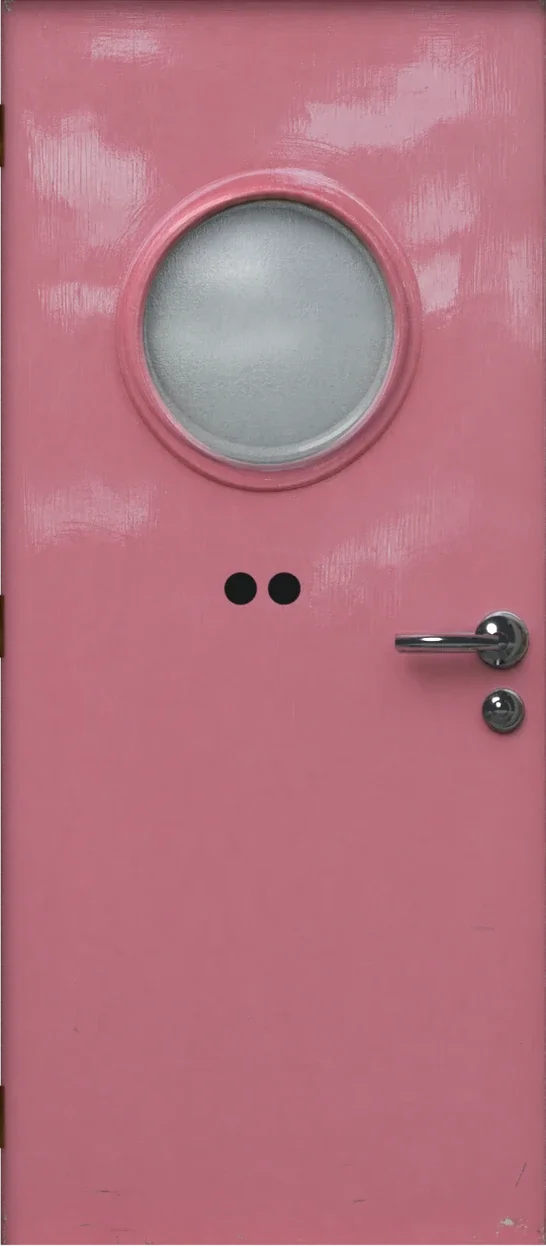
This page knocks before it comes in. So should you: press a door.

The one idea

Knock first.

Ines Calloway is a branch librarian in Portland who cannot code. Over one winter she built Stoop with AI tools so her block could share a ladder, and forty neighborhoods now use it. It looked like every other app built that way, and the county library wanted to sign it. Stoop behaves like a good neighbor. It asks, it waits, and it is let in.

Client
Stoop: Ines Calloway, Portland, Oregon
Brief
Look like something a county can sign, and still like something from next door
We made
The mark, the door chart, the app’s screens, door hangers, tags for the things, and the rules for the next forty neighborhoods
Time
Eleven weeks, most of them on her porch

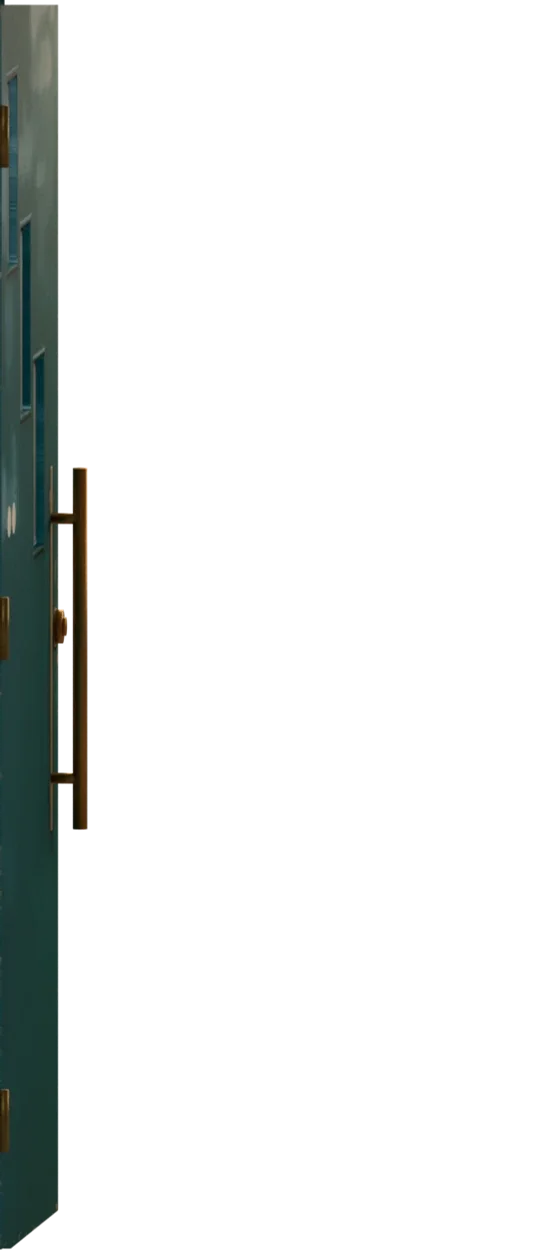
Six doors on the block. Knock on one.
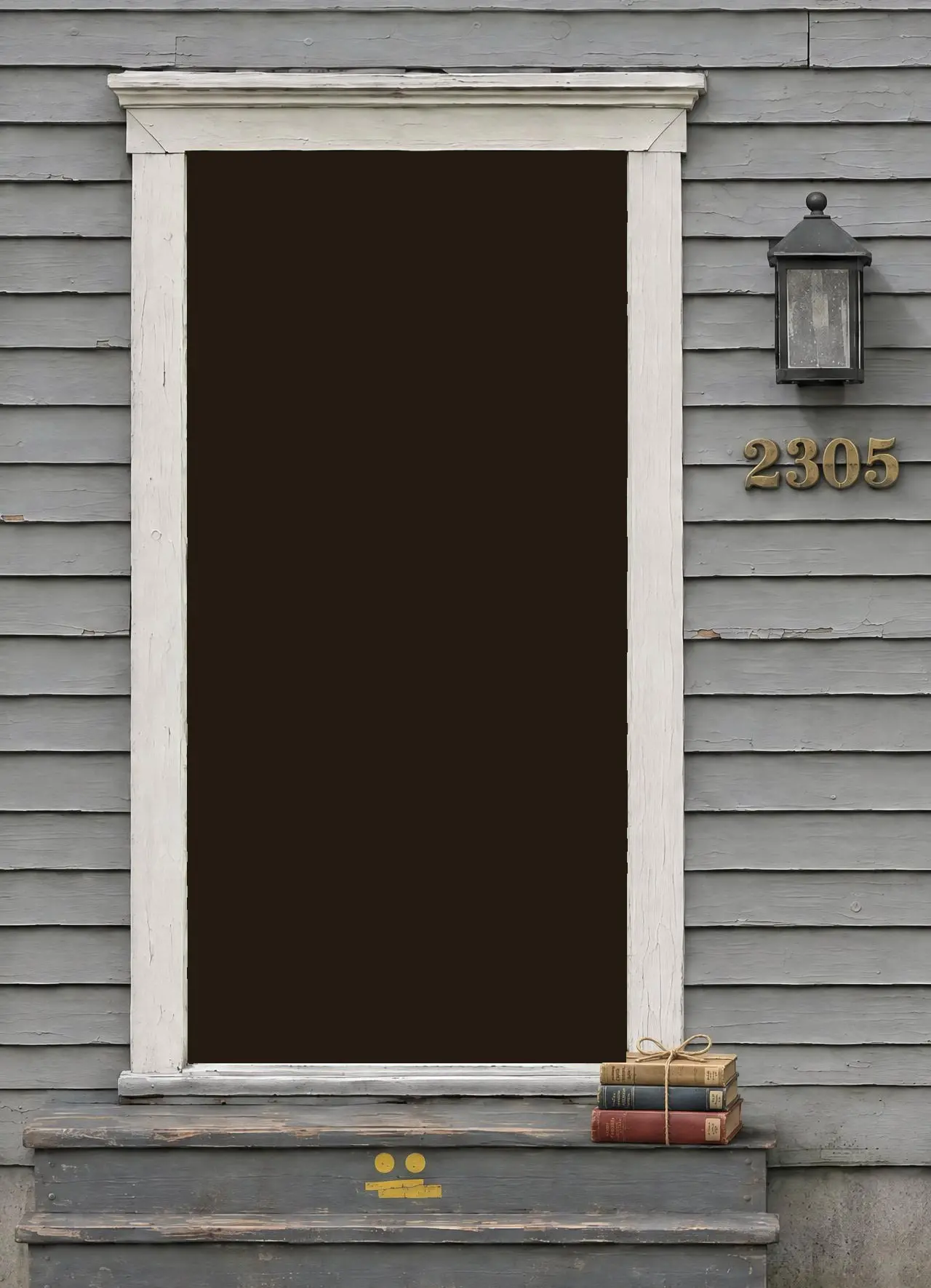
  • Number 2305: old gray siding, a white door casing, an iron lantern, brass numbers and three worn steps.
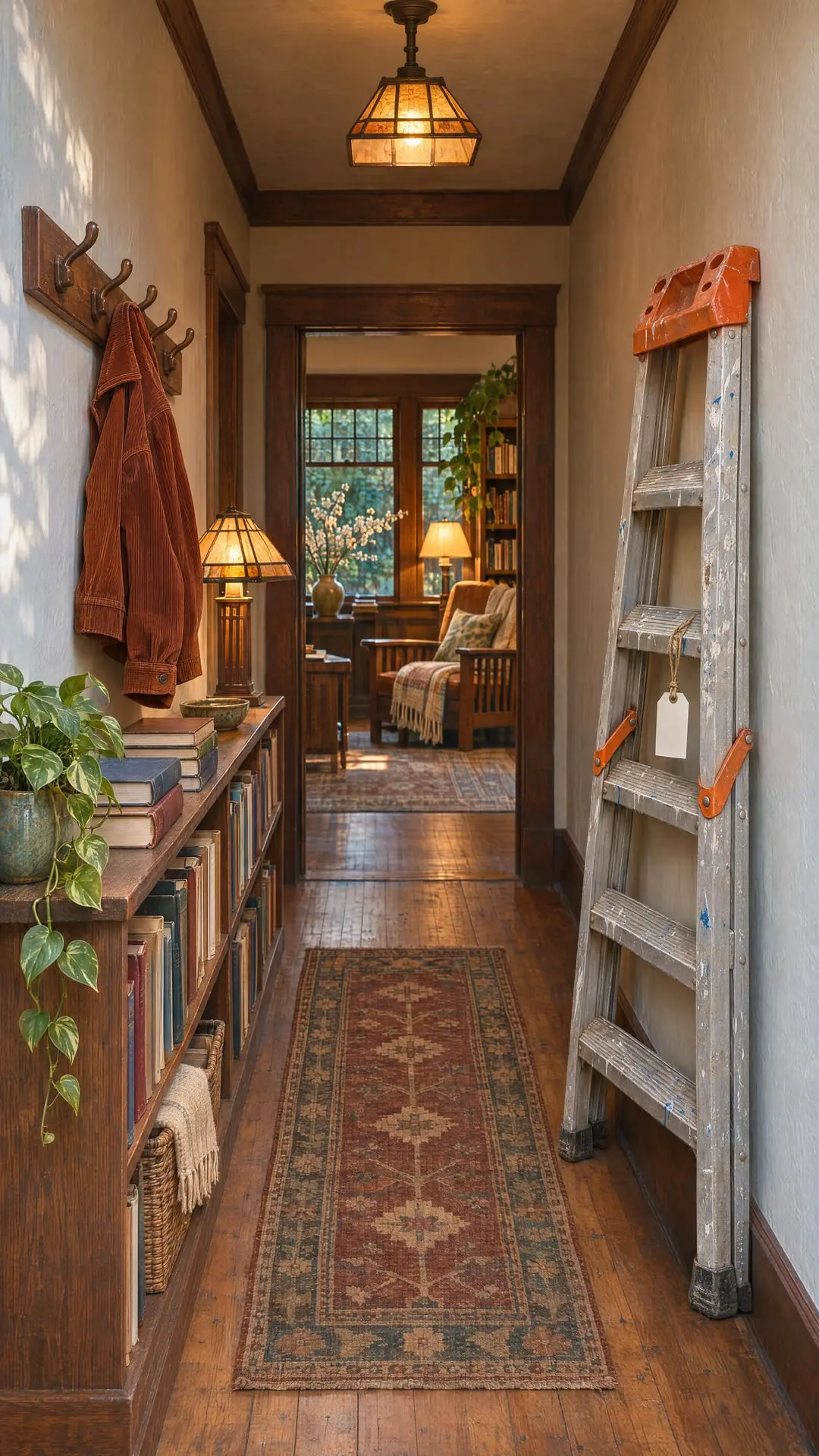
    A hall lined with library books. A paint-spattered ladder leans on the wall with a tag tied to it.

    In. Knock for it.

    Ines has a ladder.

    Next door. Out 41 times. It has painted most of this street.
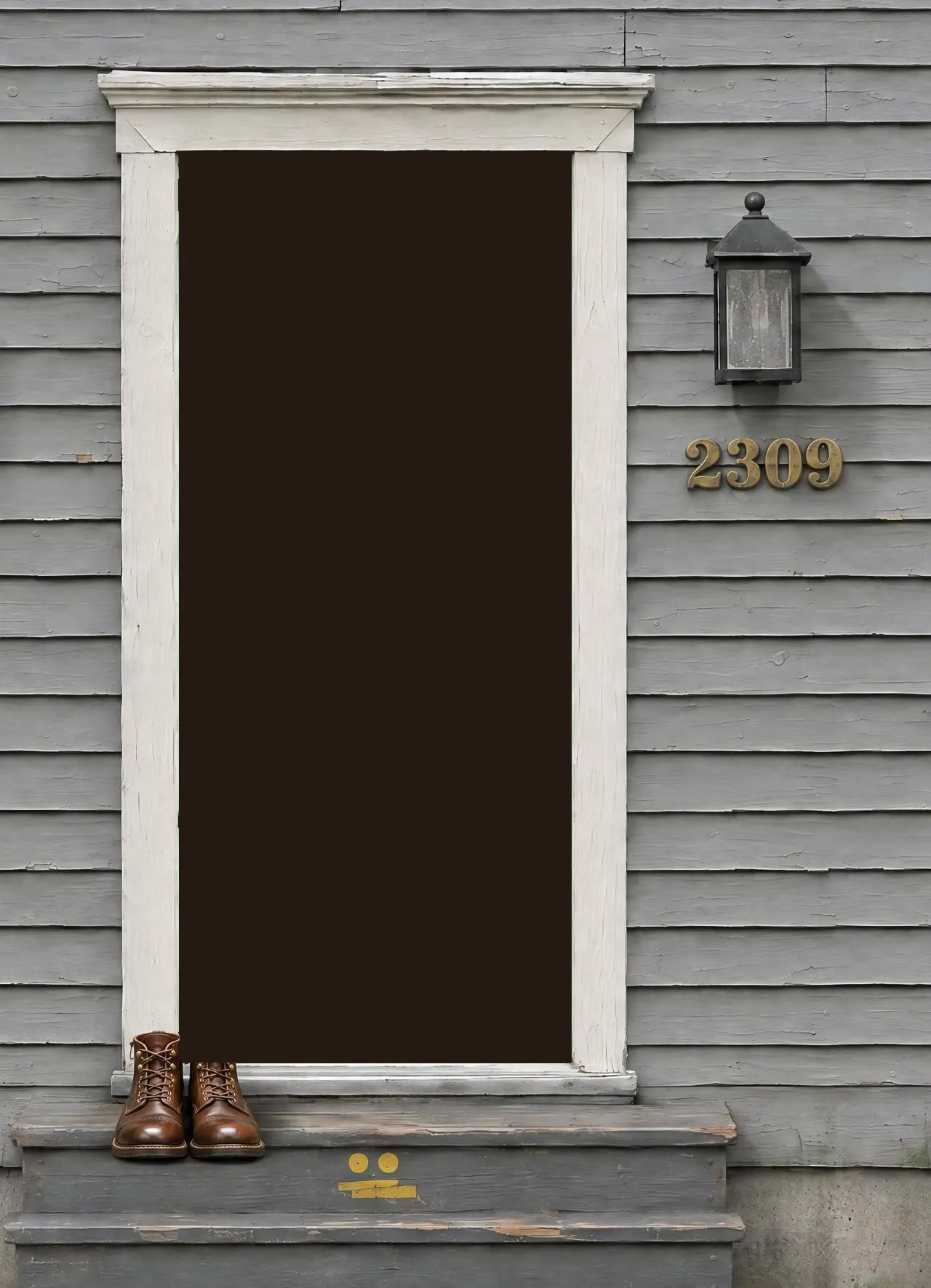
  • Number 2309: old gray siding, a white door casing, an iron lantern, brass numbers and three worn steps.
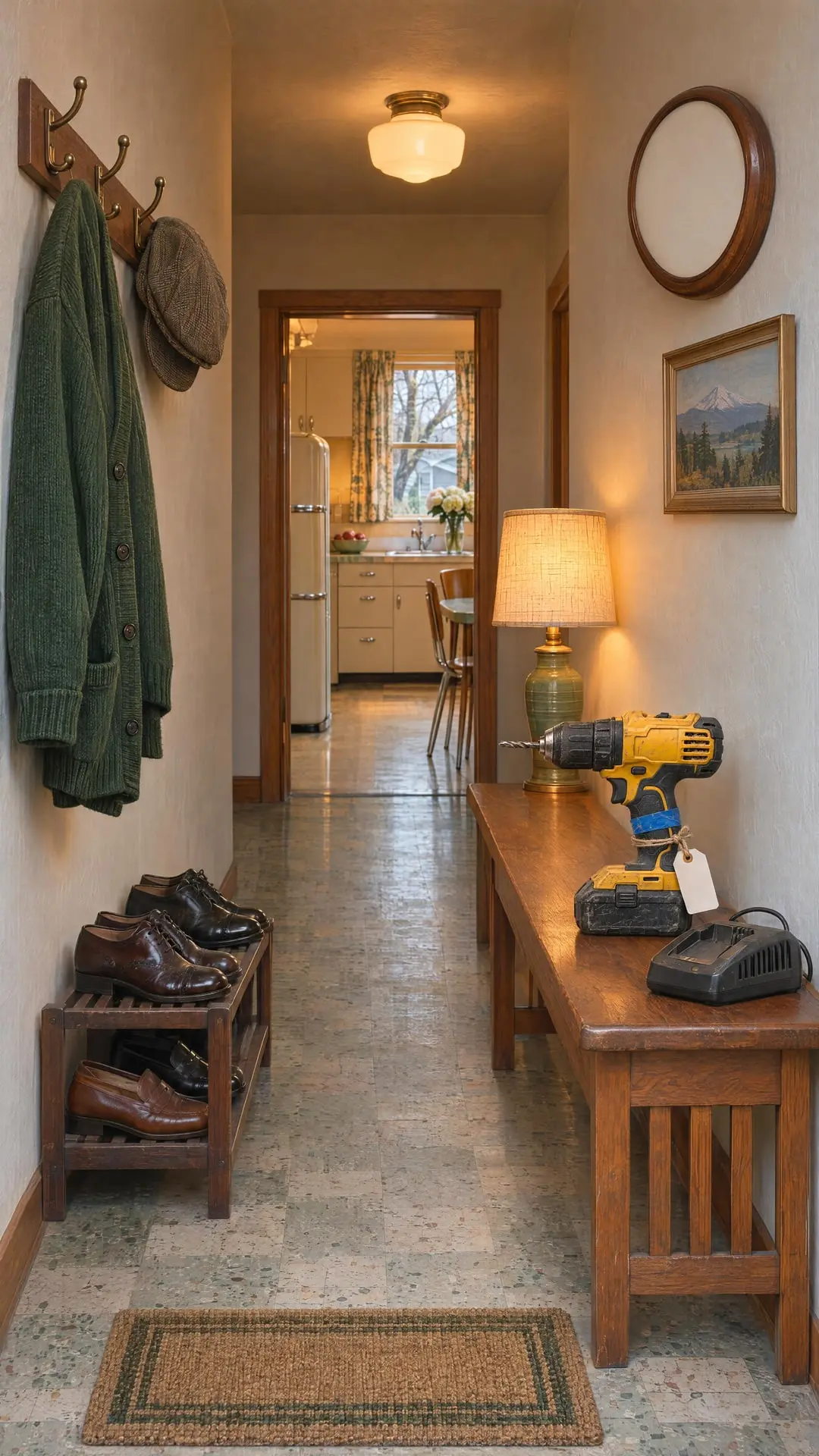
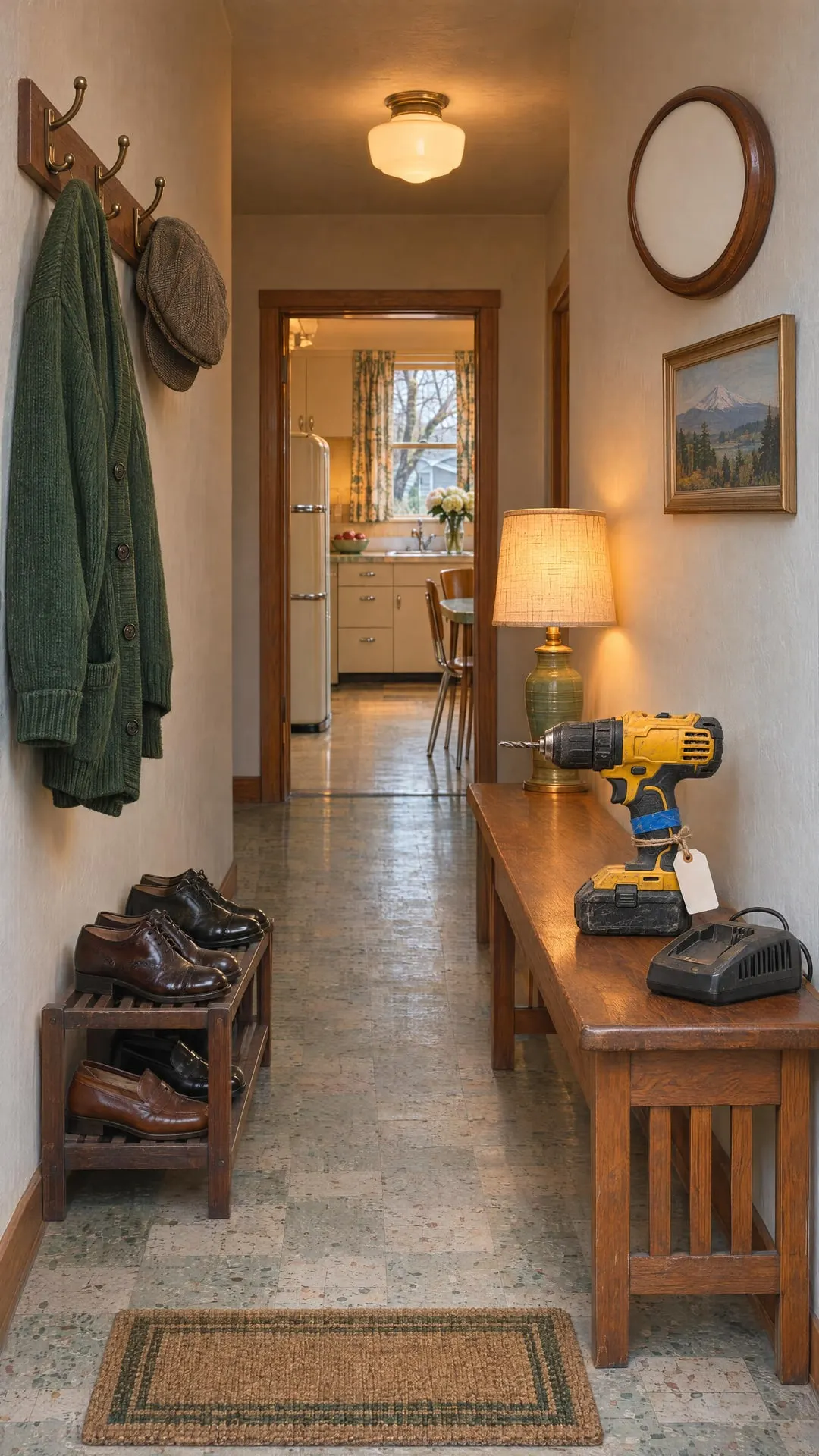
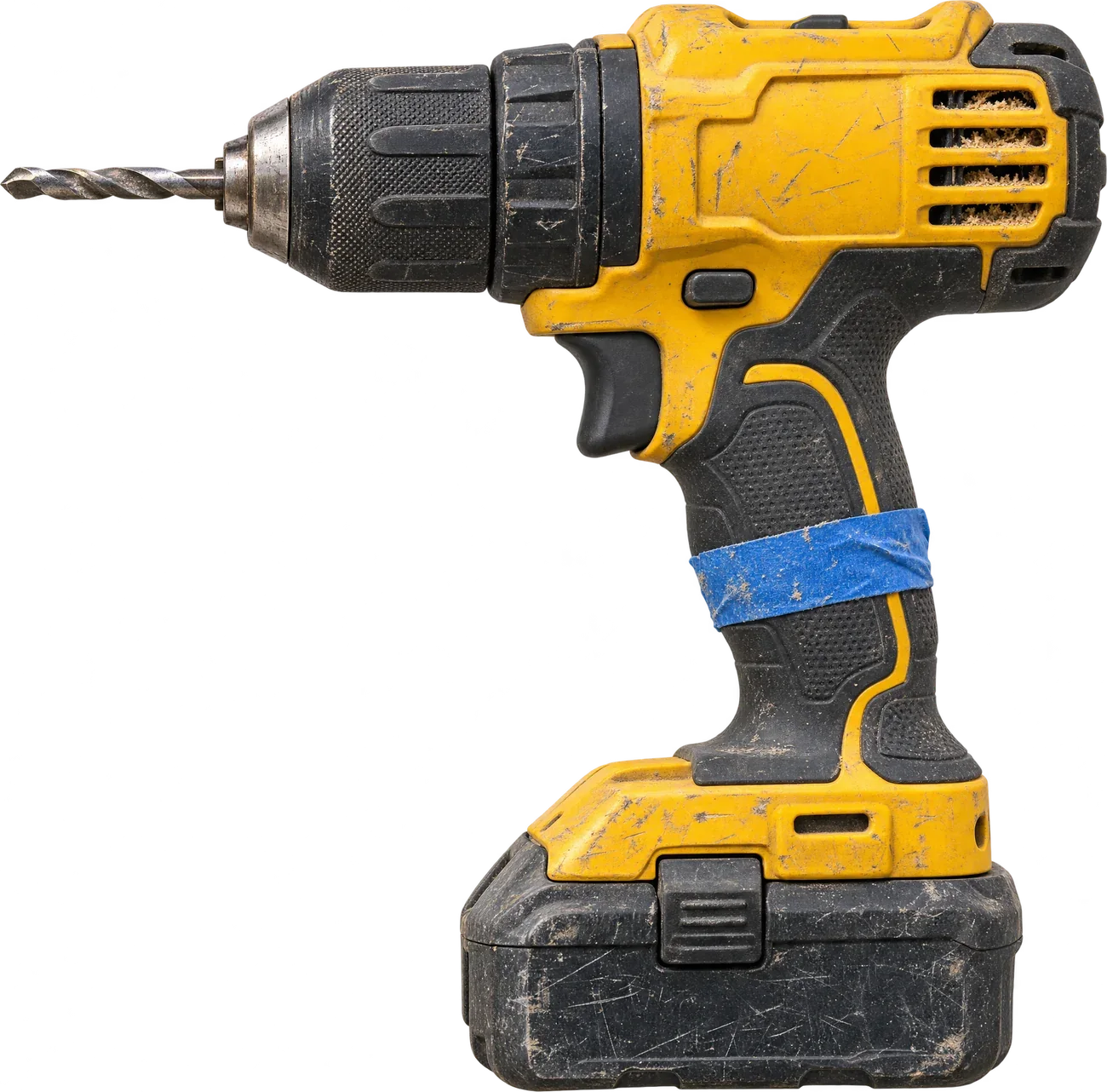
    A very tidy hall. A yellow drill sits on the bench beside its charger, a tag tied to its handle.

    In. Knock for it.

    Mr. Okafor has a drill.

    2 doors down. Comes back charged, or you hear about it.
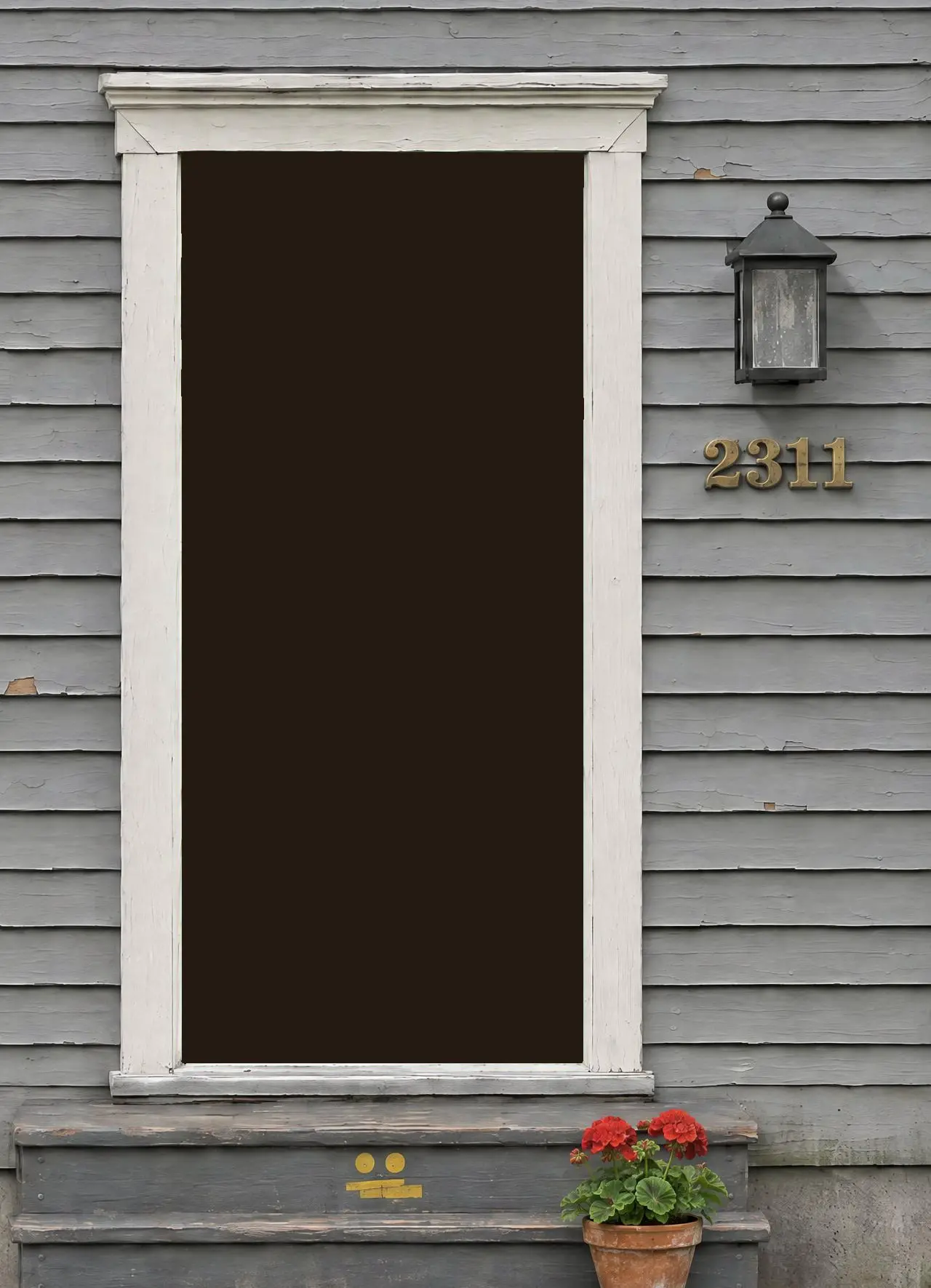
  • Number 2311: old gray siding, a white door casing, an iron lantern, brass numbers and three worn steps.
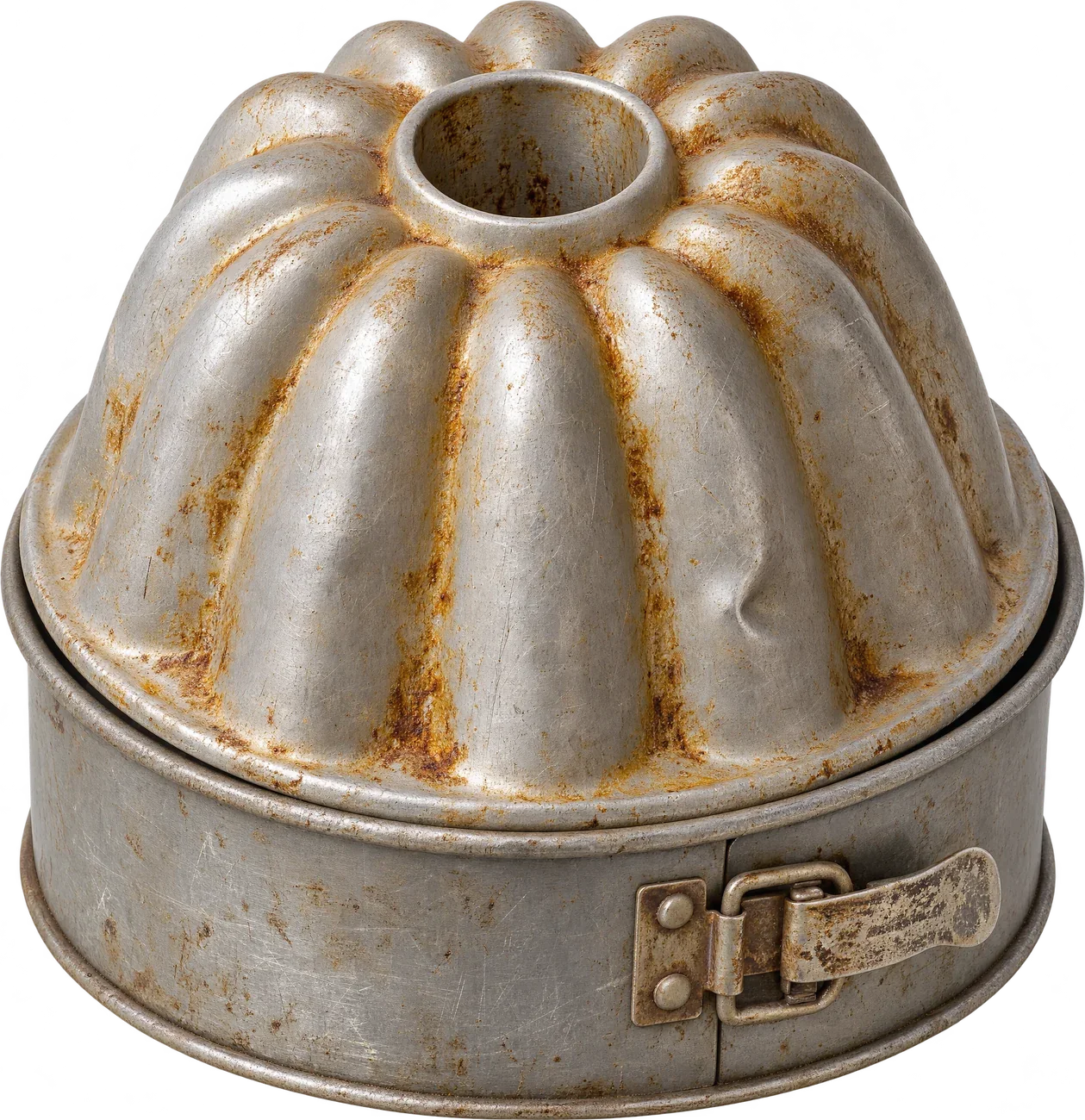
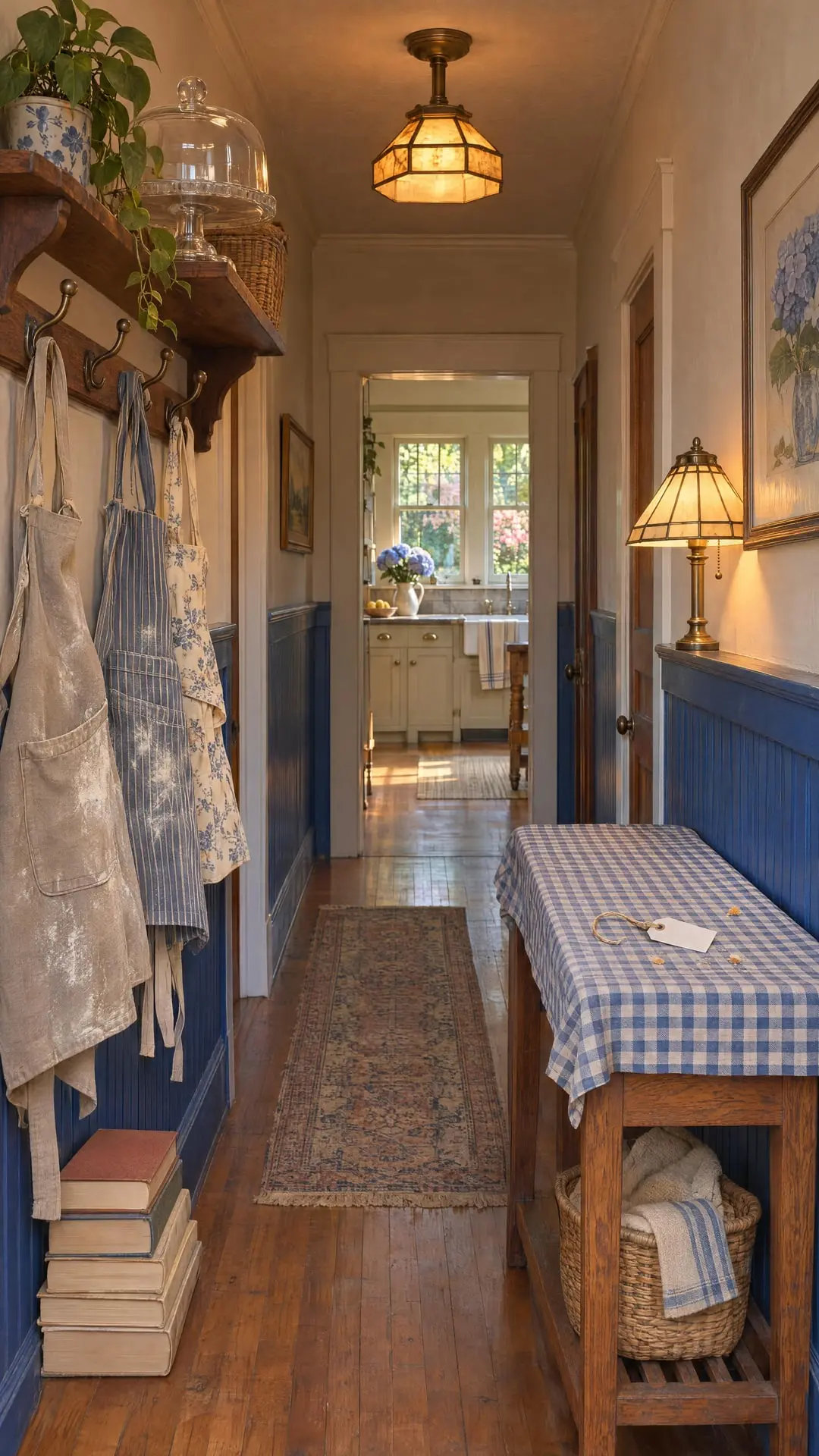
    A baker’s hall, aprons on the hooks. The gingham table where the cake pans live is empty but for their tag.

    Out with the Nguyens till Sunday.

    Dana has cake pans.

    3 doors down. Out at the Nguyens’, 2315.

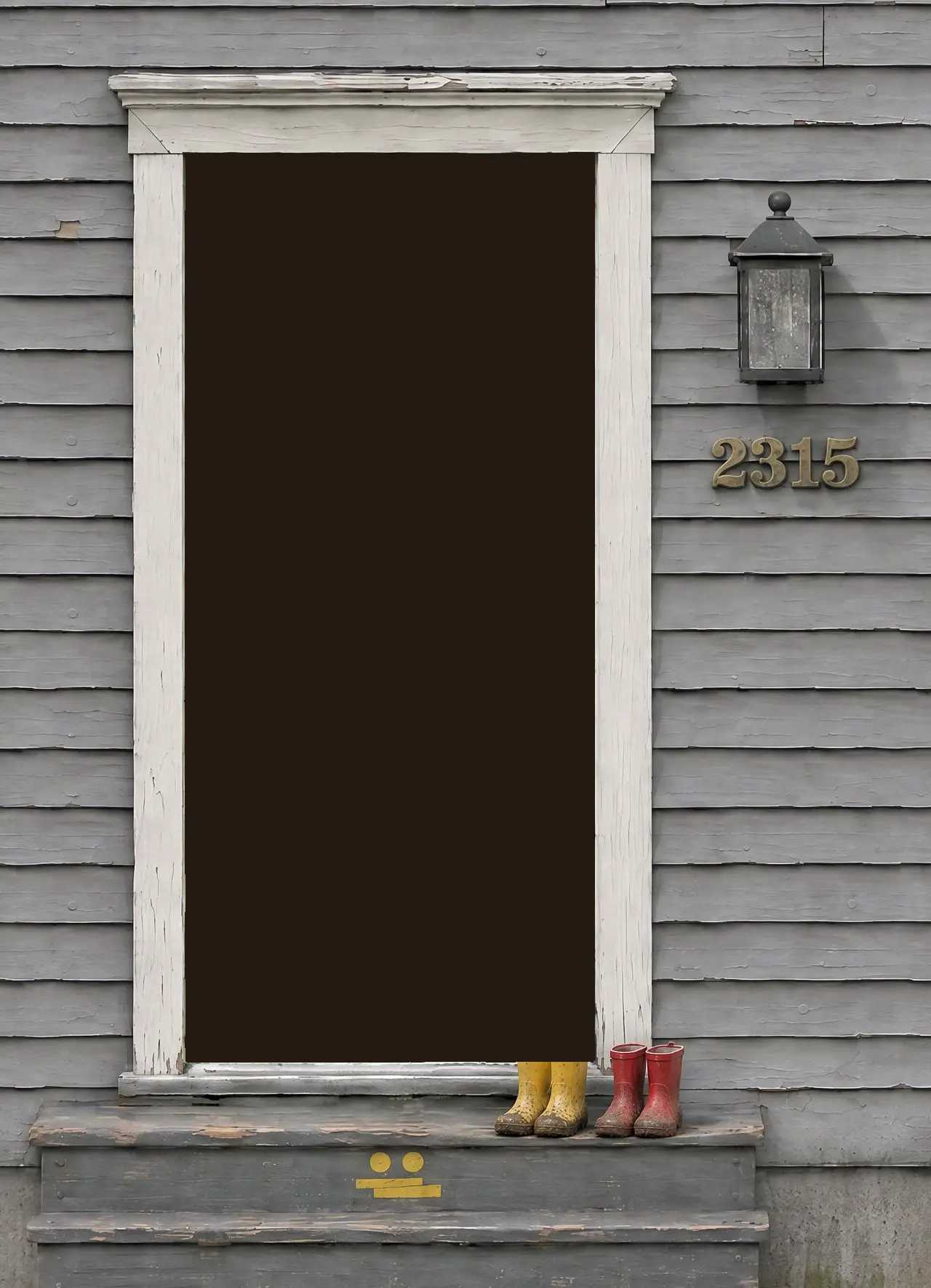
  • Number 2315: old gray siding, a white door casing, an iron lantern, brass numbers and three worn steps.
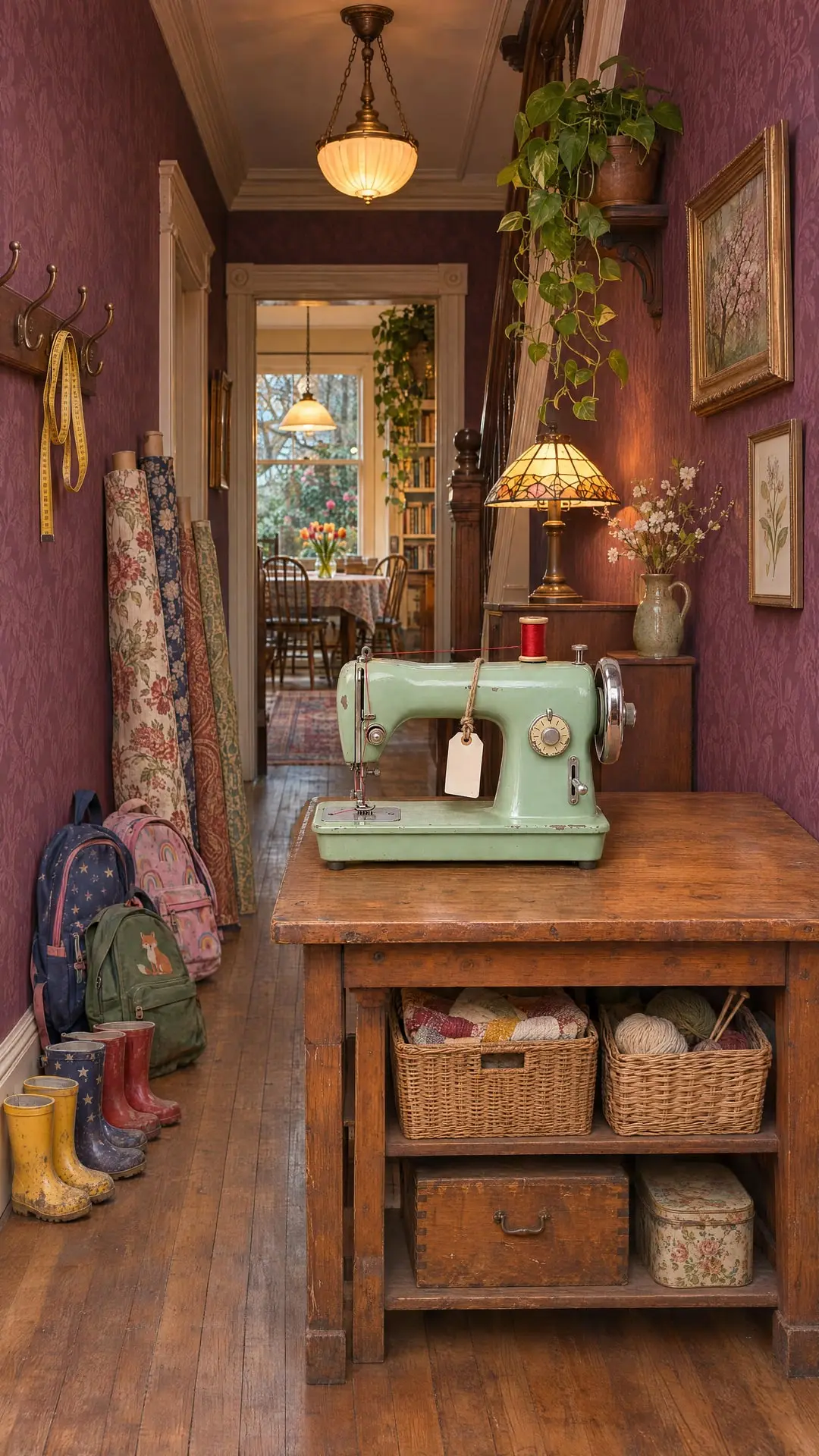
    A busy family hall, rain boots by the wall. A mint green sewing machine on a table, threaded in red.

    In. Knock for it.

    The Nguyens have a sewing machine.

    5 doors down. Threaded in red. Leave it threaded.

    Dana’s cake pans are here too, till Sunday.

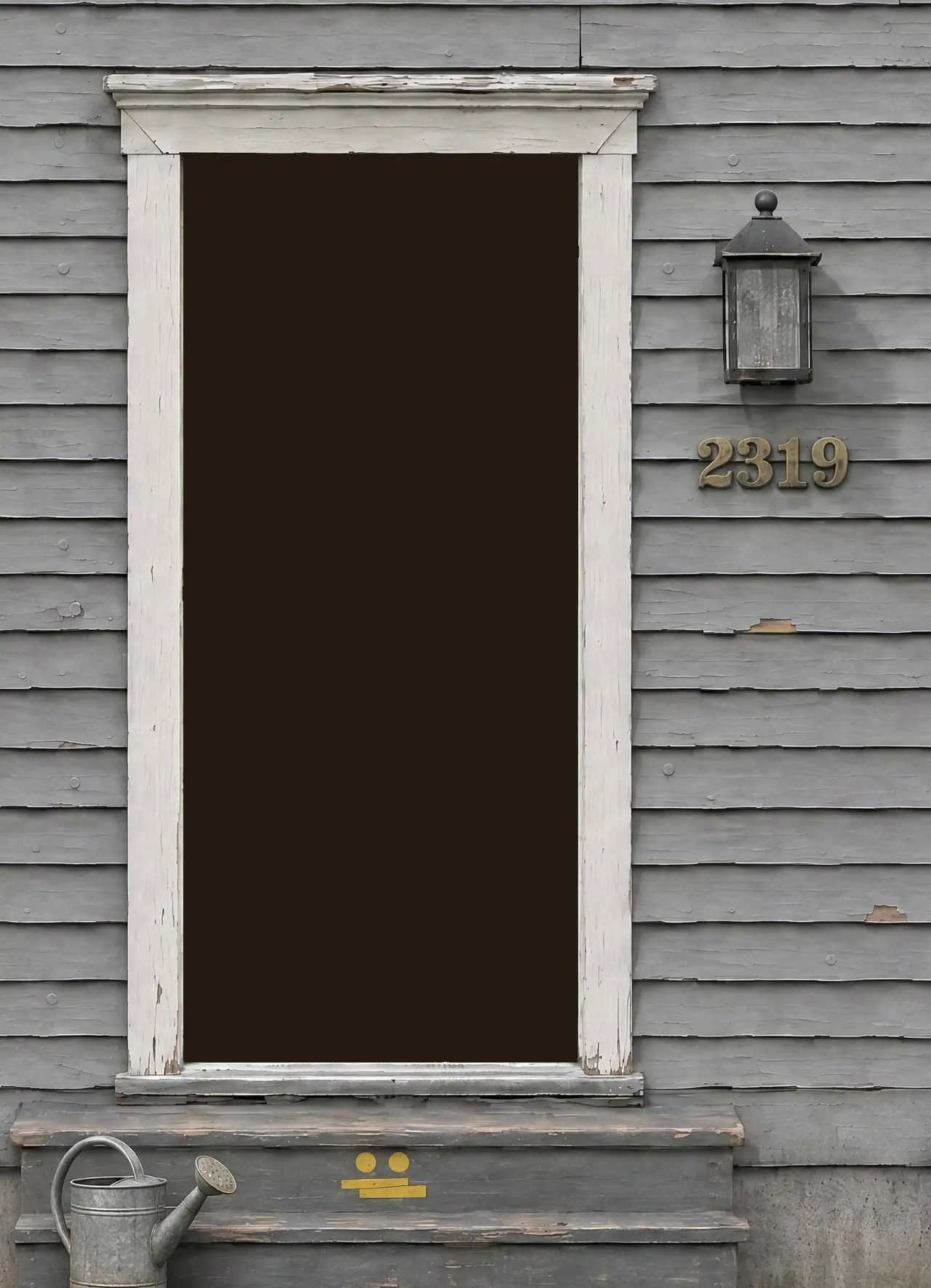
  • Number 2319: old gray siding, a white door casing, an iron lantern, brass numbers and three worn steps.
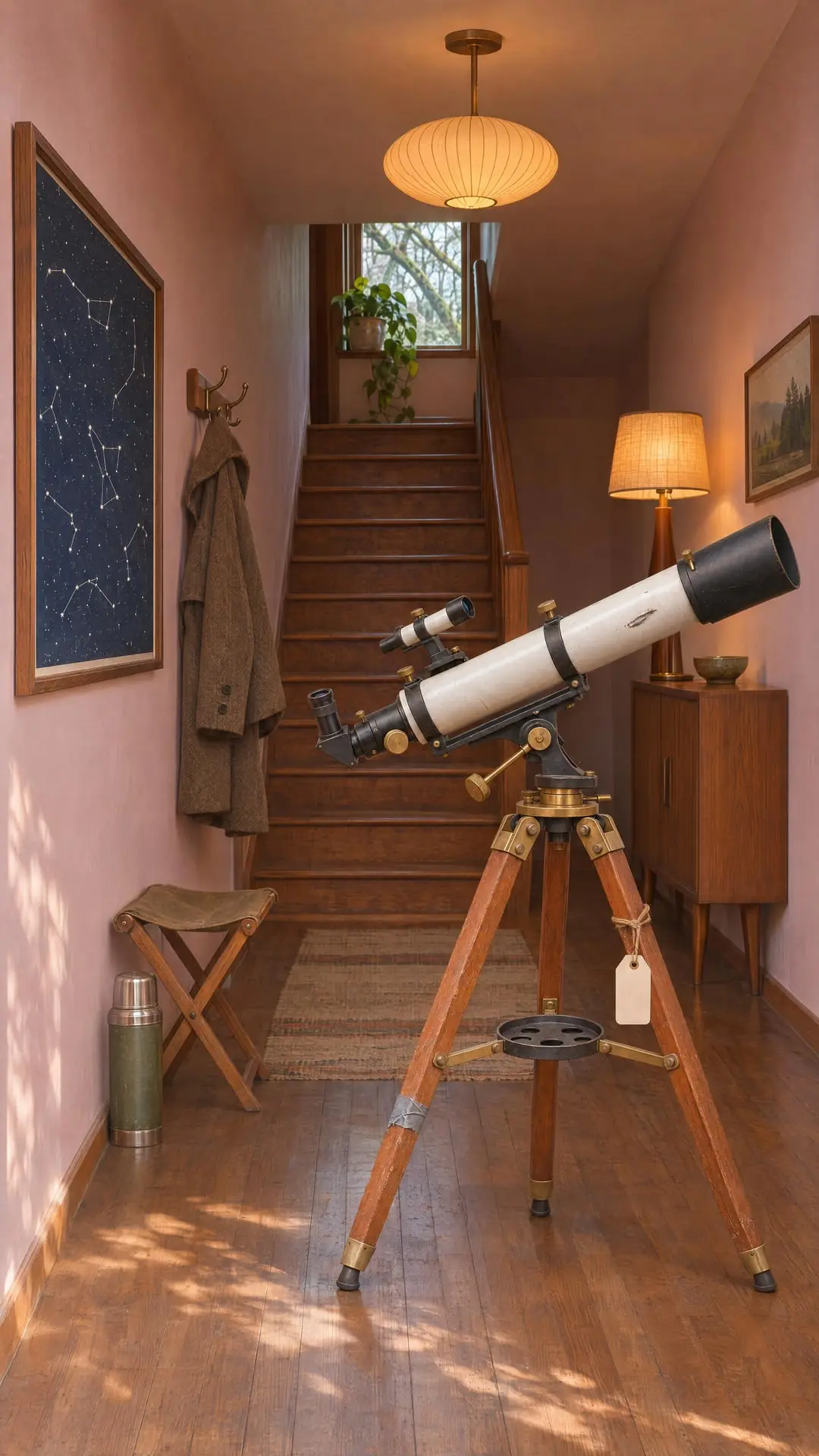
    A spare hall with a chart of the stars. A white telescope stands on its tripod by the stairs.

    In. Knock for it.

    Wen has a telescope.

    7 doors down. Saturn is best in August. Knock after nine.

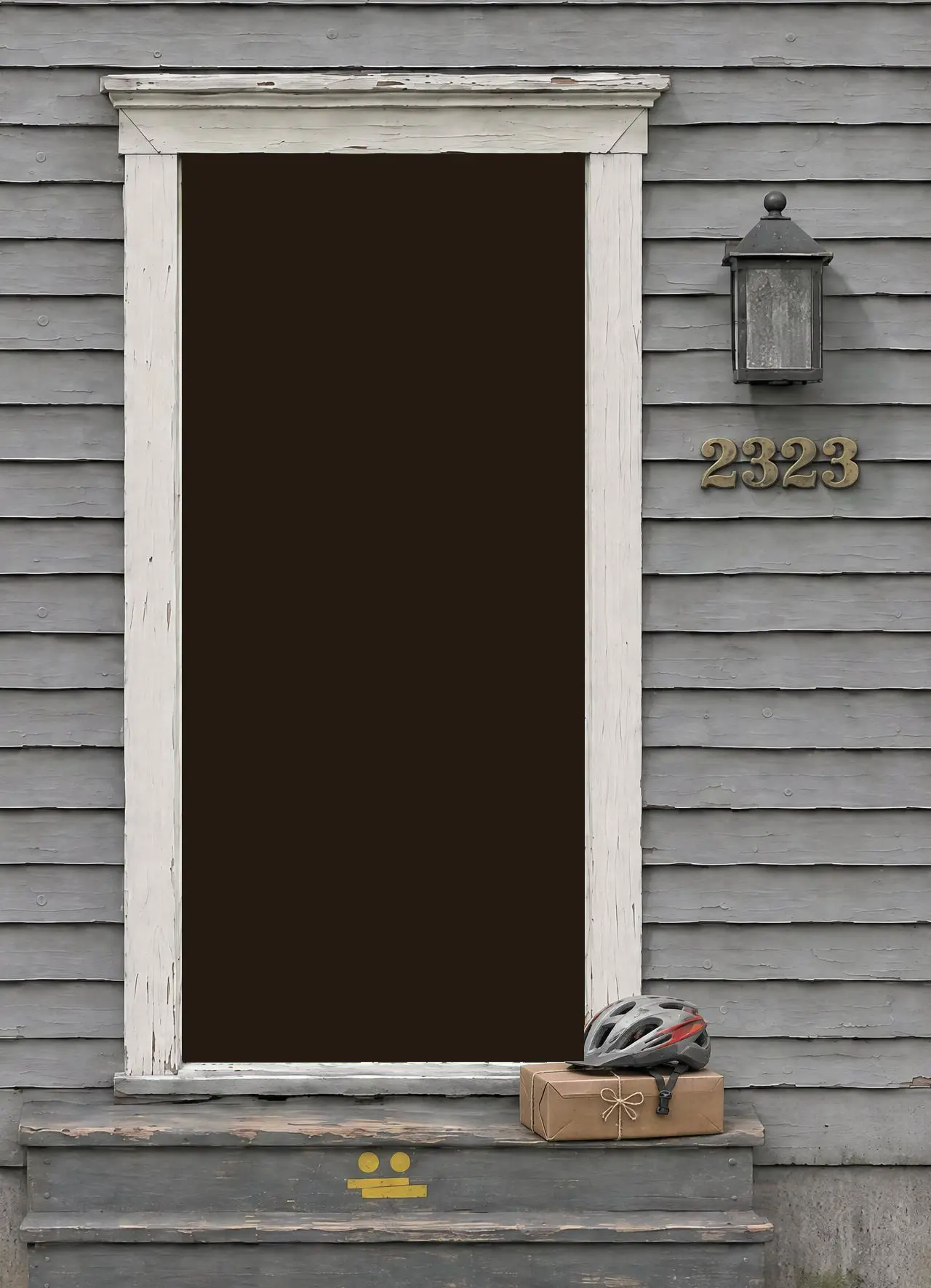
  • Number 2323: old gray siding, a white door casing, an iron lantern, brass numbers and three worn steps.
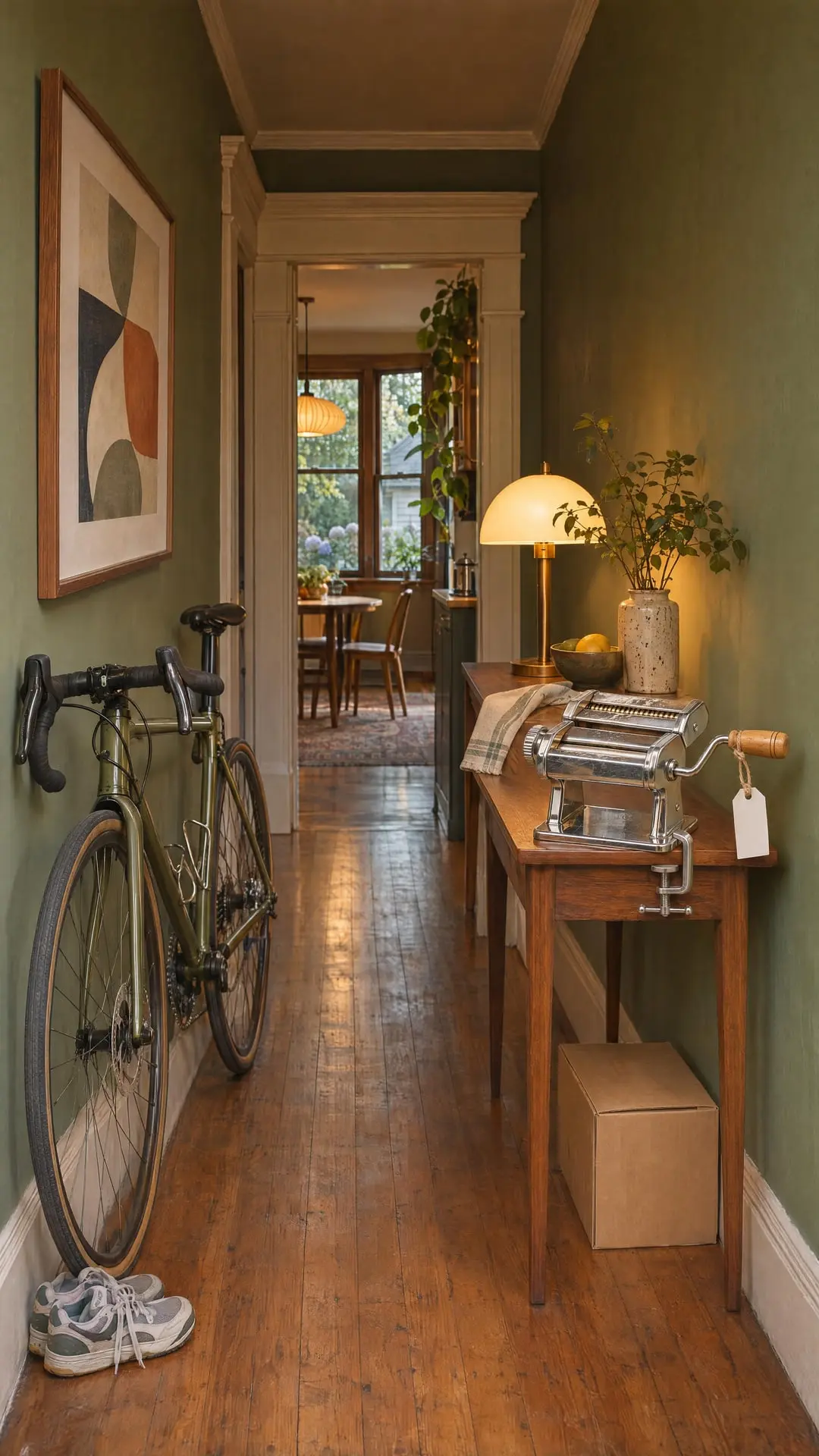
    A hall with a bicycle in it. A gleaming pasta machine is clamped to a side table, its box underneath.

    In. Knock for it.

    Tobias has a pasta machine.

    9 doors down. Used twice. He would love you to have it for a while.

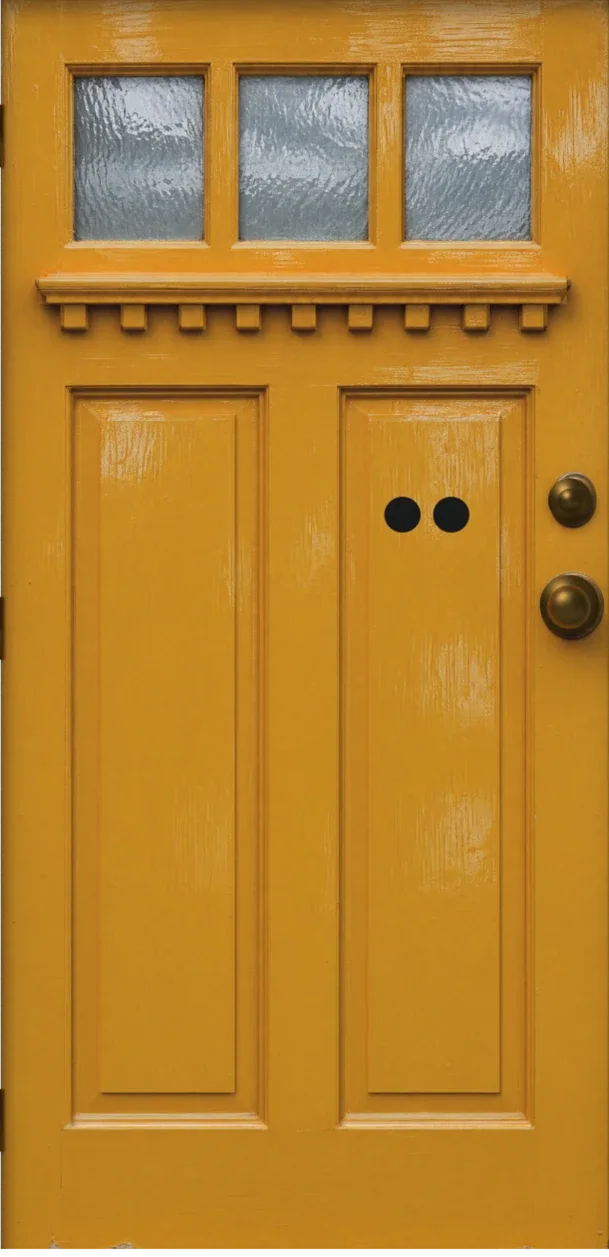
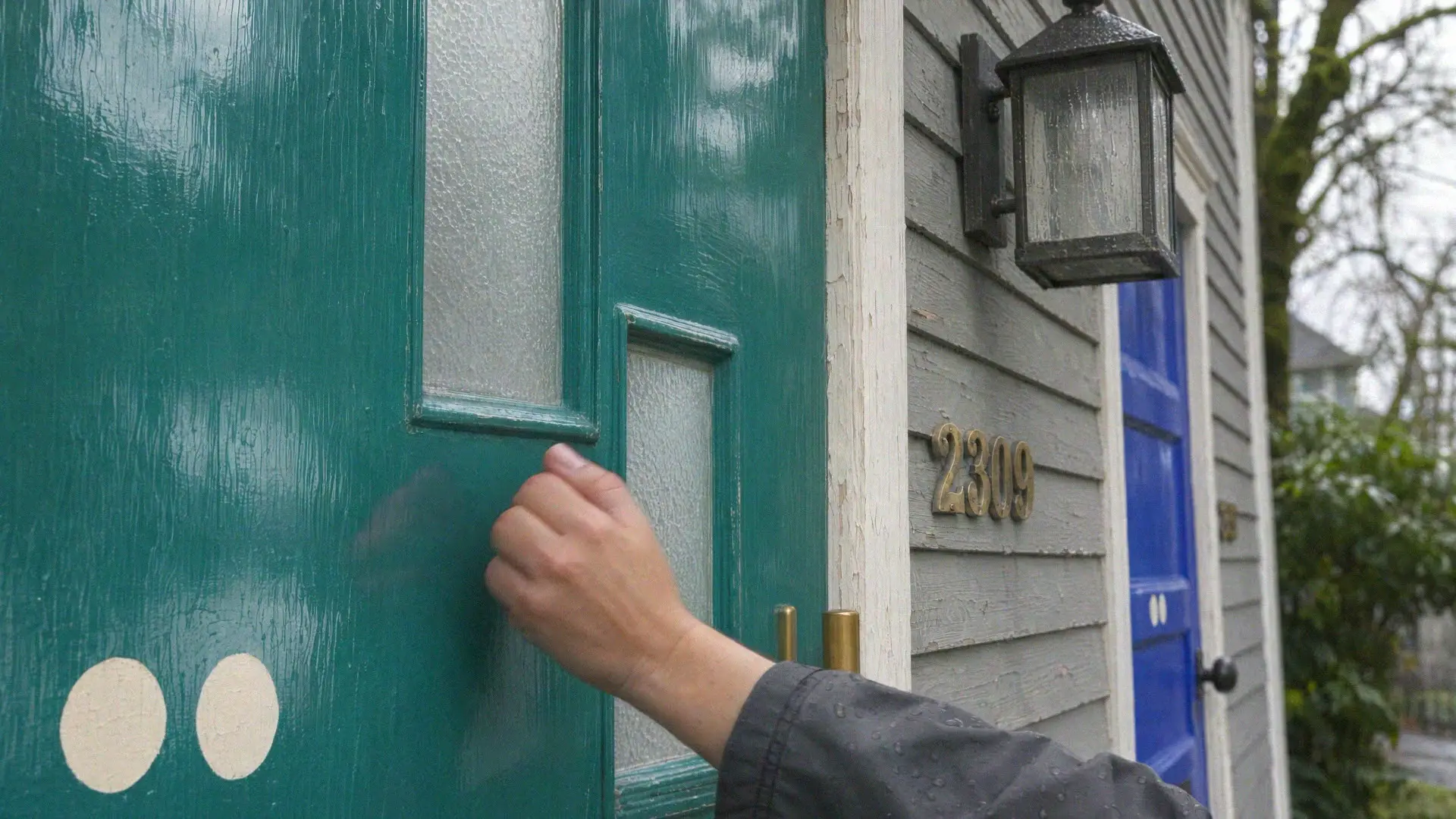
A hand raised to knock on a glossy marigold front door.
Two knocks, a wait, a door. Filmed at 2309, Mr. Okafor’s.

The mark

The two o’s are the two knocks, filled in solid, and the word stands on a step. At small sizes it is two dots on a step.

The Stoop mark drawn with its measurements: the word on its stepped bar, with the two knocks, the step and the spaces between them dimensioned.
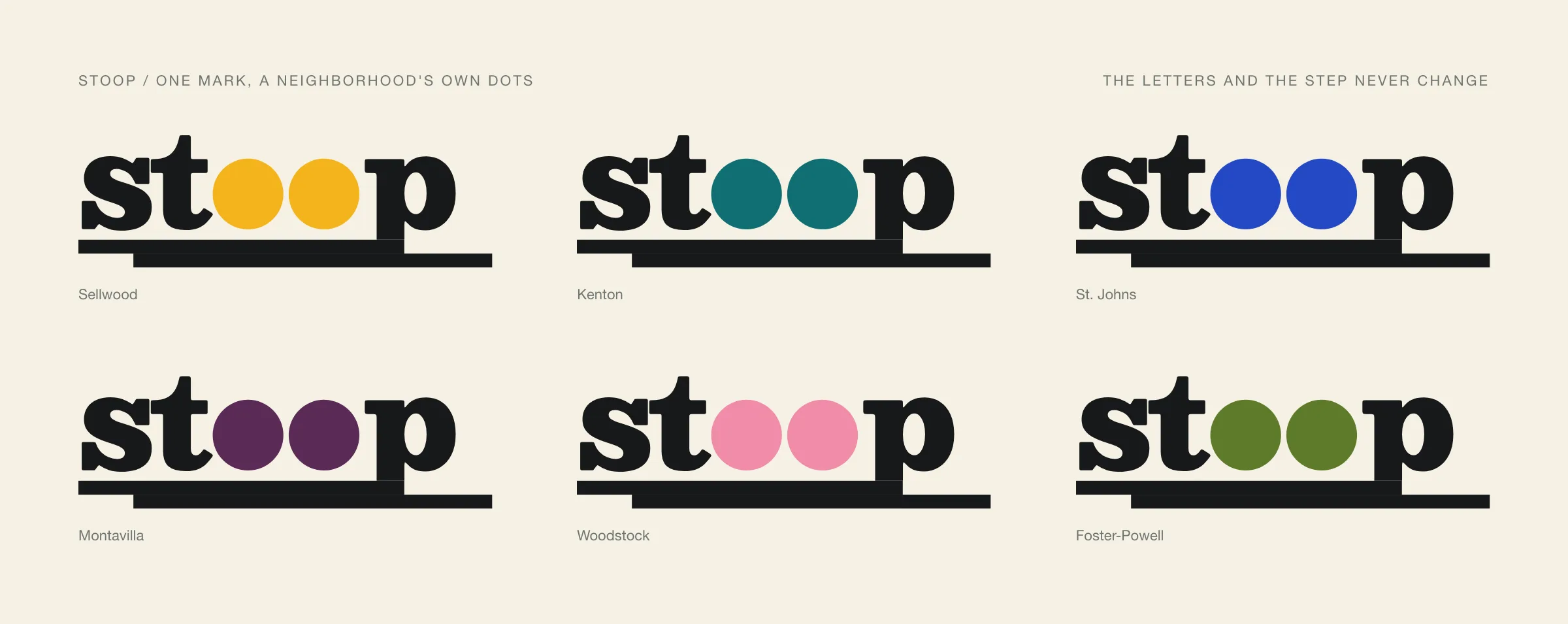
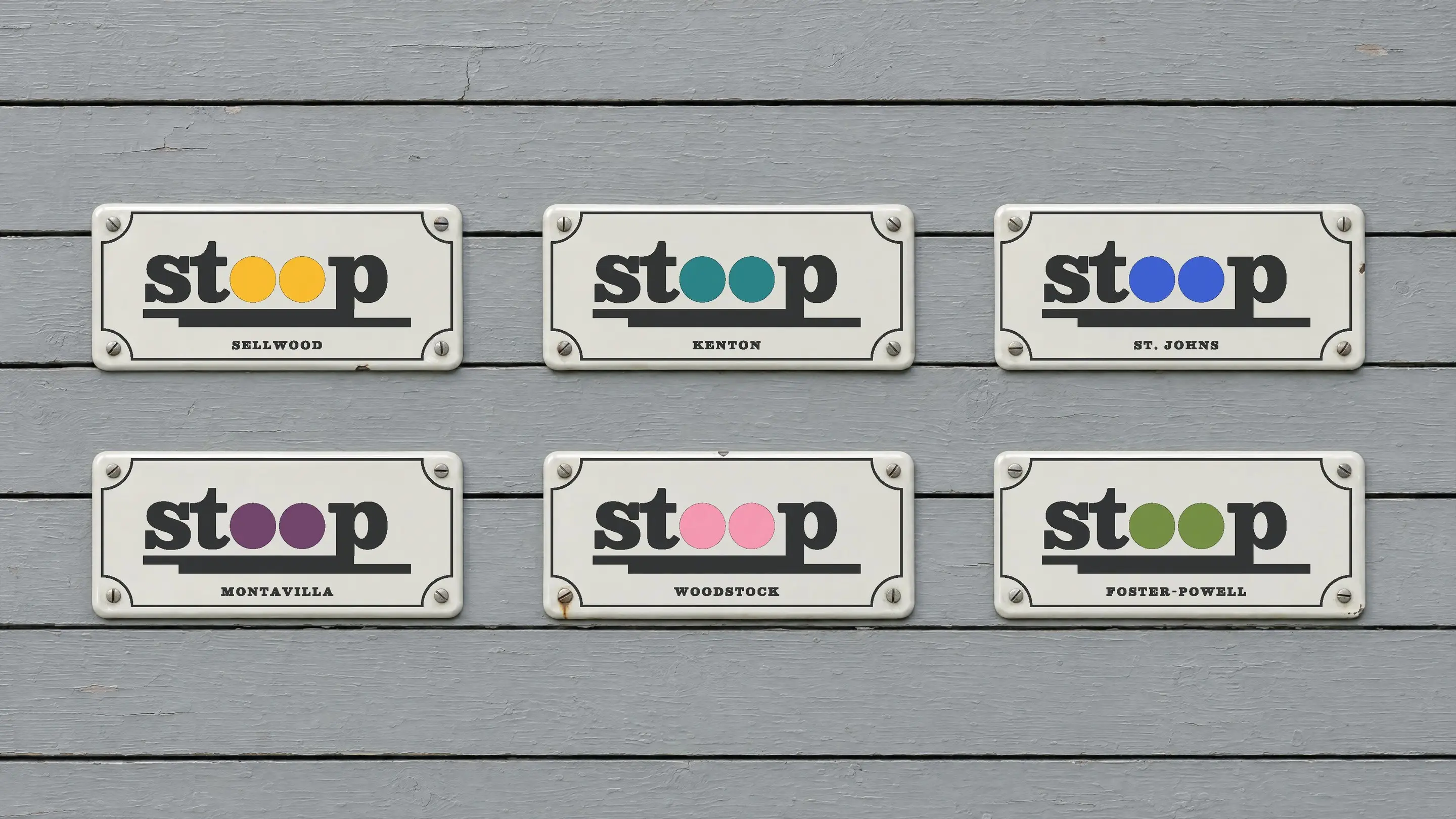
Six neighborhood marks in a row, each with its two dots in that neighborhood’s door color: Sellwood, Kenton, St. Johns, Montavilla, Woodstock and Foster-Powell.
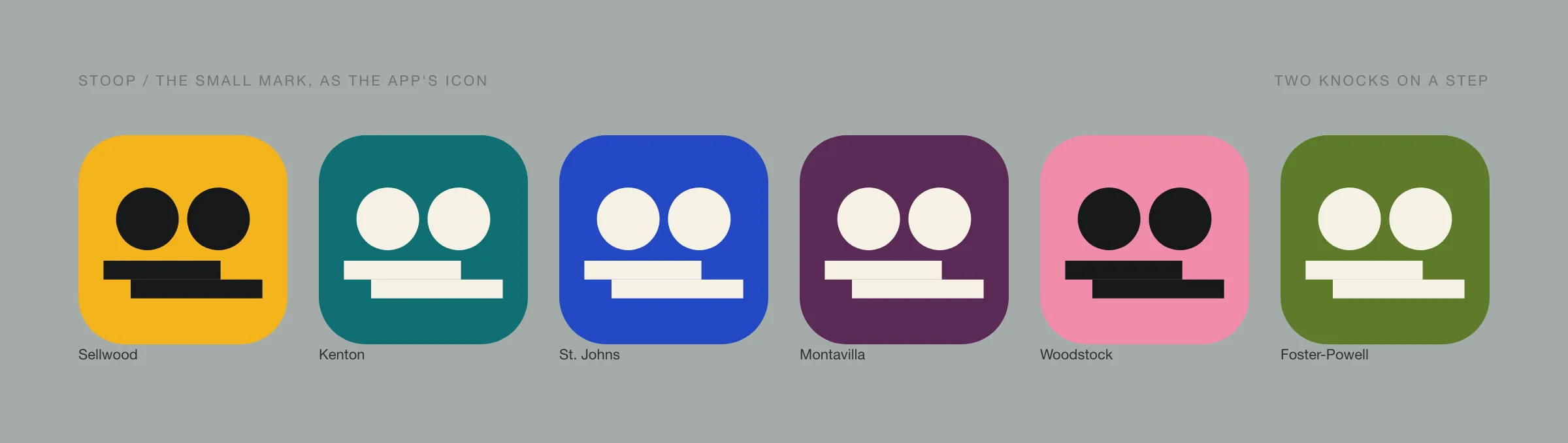
Six app icons, rounded squares, each in a door color with the two dots on a step.

The type

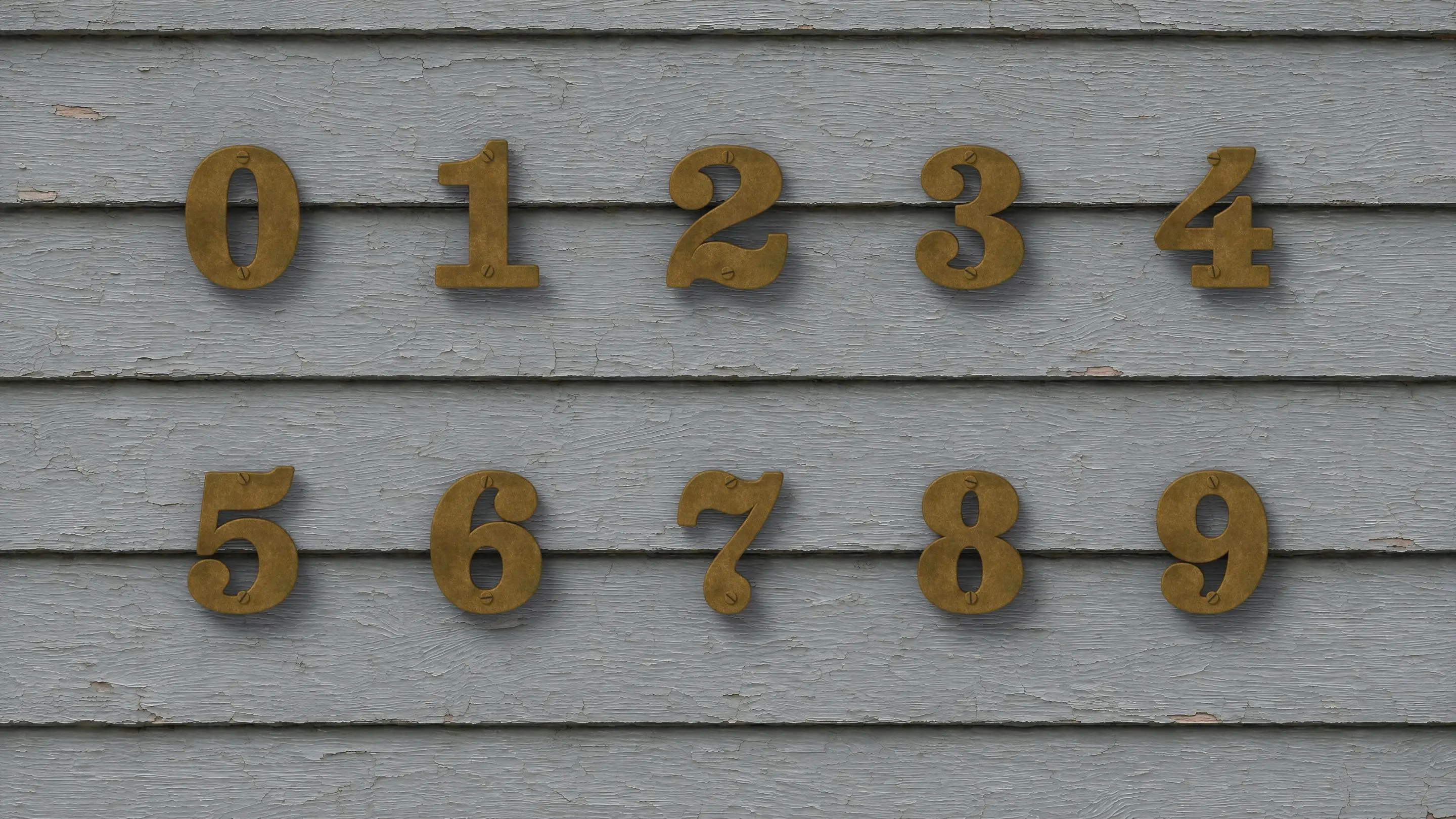
Besley, a sturdy slab of the kind found on house numbers and library signs. First names and house numbers. Distance is counted in doors, never in miles.

How Stoop says things

  • 0.2 miles away3 doors down
  • User dana_k has accepted your requestDana says yes
  • Return by 11/15Home by Sunday
Ten brass house numbers, 0 to 9, in a heavy slab serif, screwed in two rows to gray lap siding.

The color

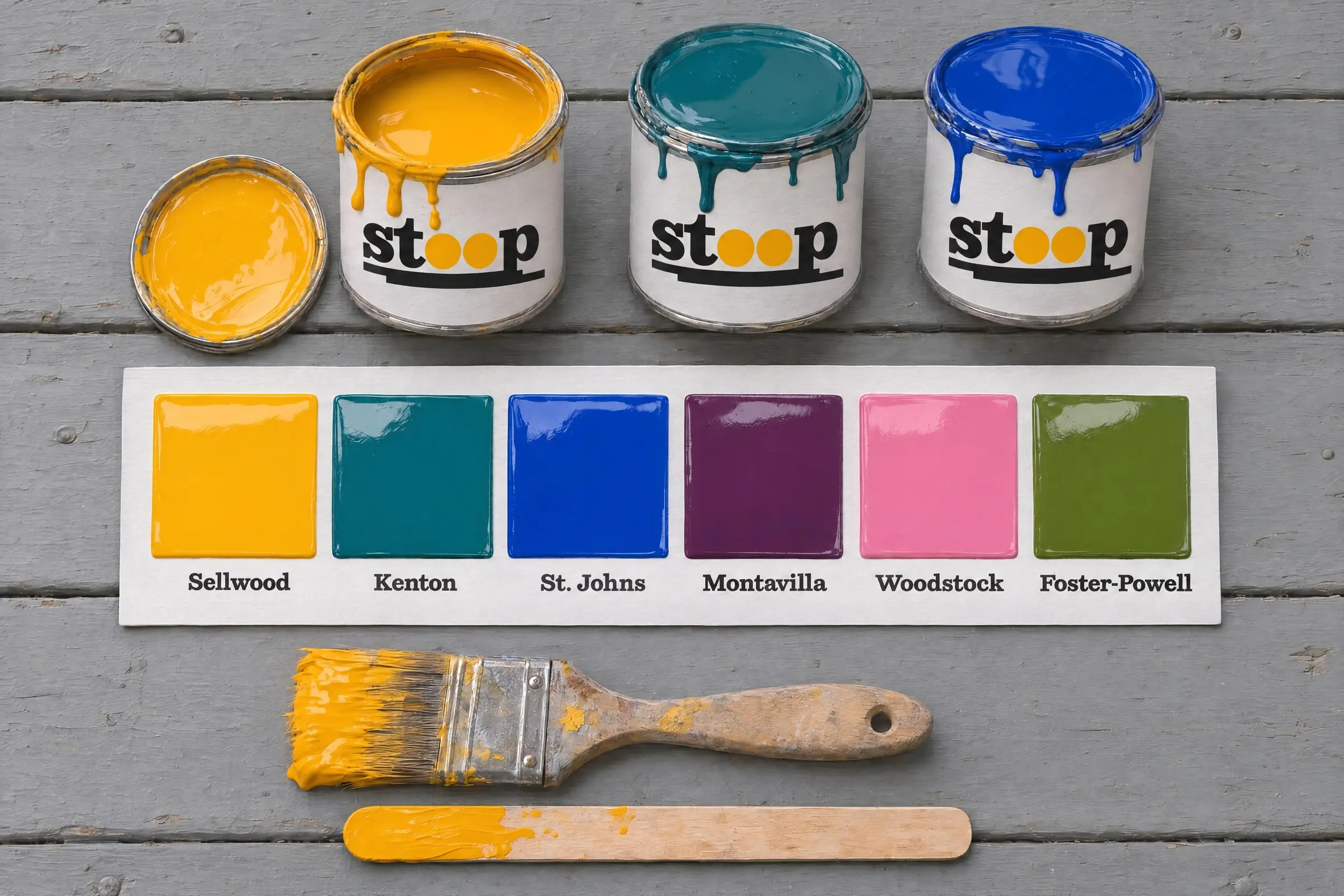
Front-door gloss on porch-floor gray. Every neighborhood picks its own door color. The gray step under them never changes.

On gray porch boards: a color card of six gloss paints named for six neighborhoods, three cans labeled Stoop, a brush wet with marigold paint.
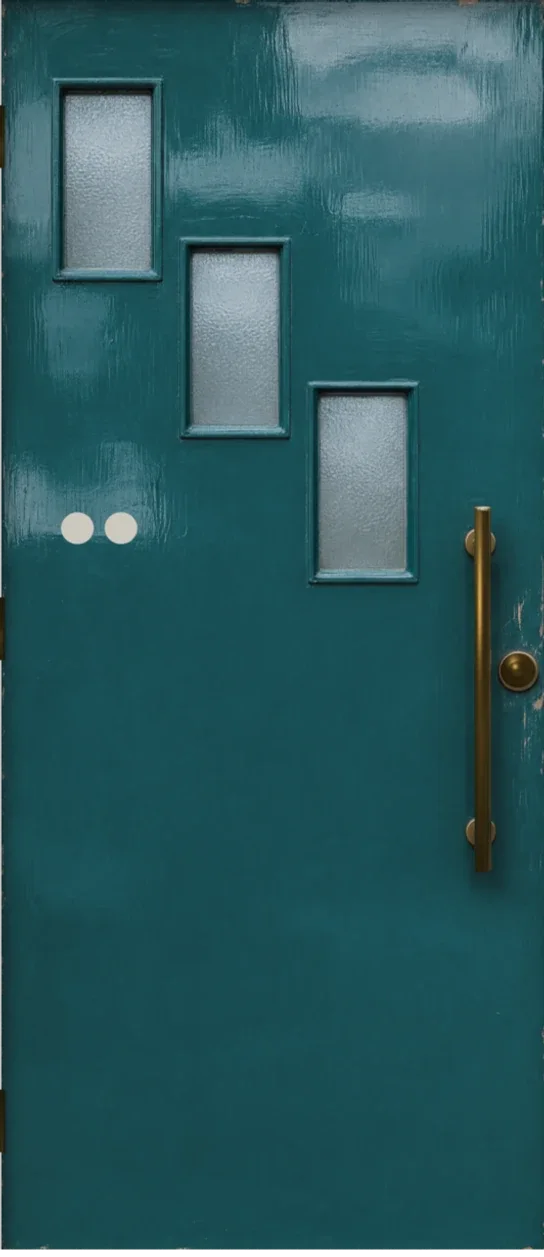
The door chart. A new neighborhood picks a color from the card, or brings its own can.

Pick a neighborhood.

Sellwood knocks in marigold.

Six enamel signs, one for each neighborhood, each in its own door color, on gray boards.
One enamel sign for every block that joins, in its own paint.
Twelve things neighbors lend, drawn in one hand and each standing on the step, with its two round parts in a door color: a ladder, bicycle, shears, binoculars, hand truck, mower, wagon, roller skate, projector, headphones, stockpot and boombox, each labeled with its owner and house number.
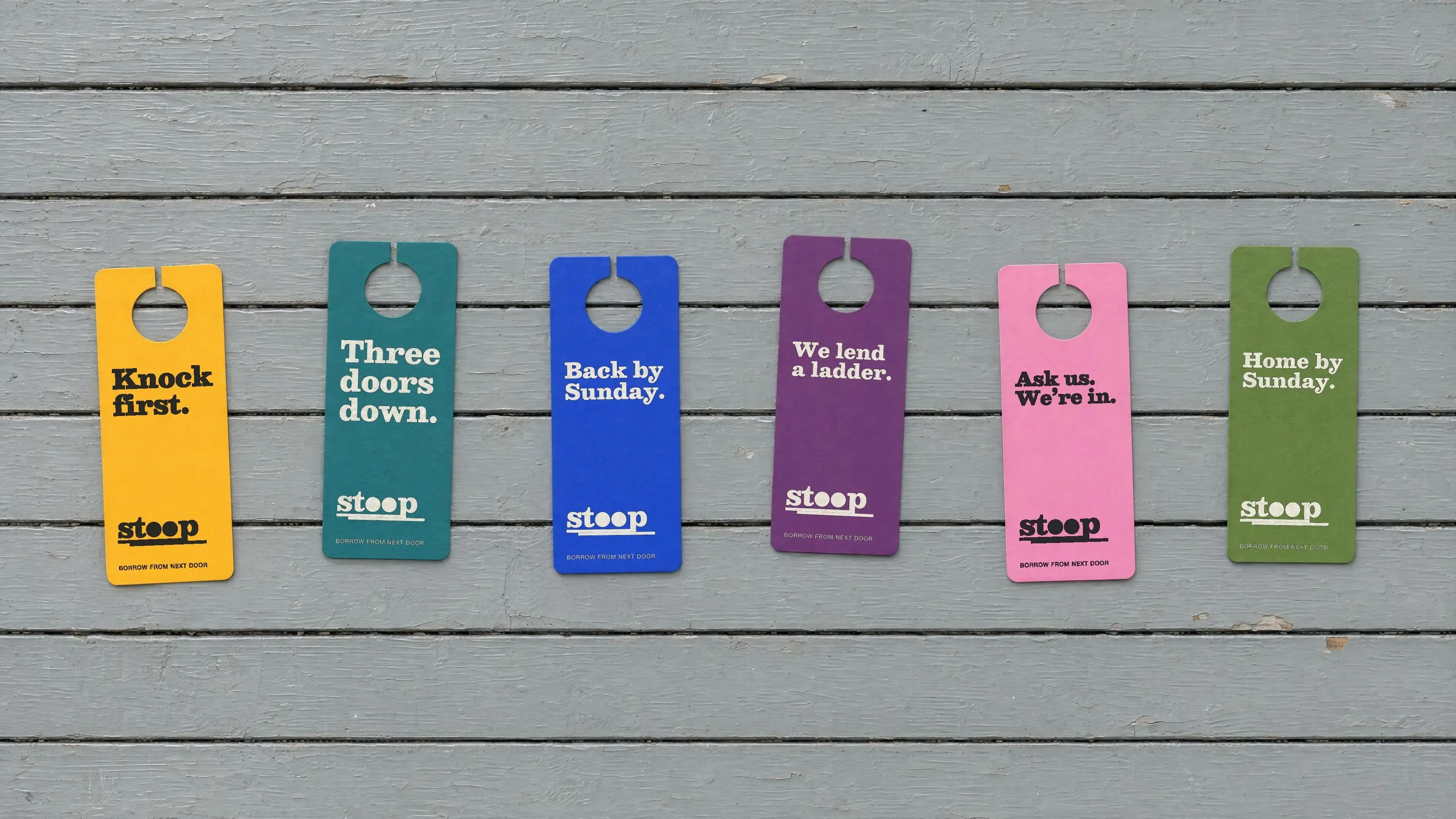
Six door hangers in six colors, lying side by side on gray porch boards.
The door hanger. A block joins when one neighbor hangs these on the other doors. It is the only advertising Stoop does.
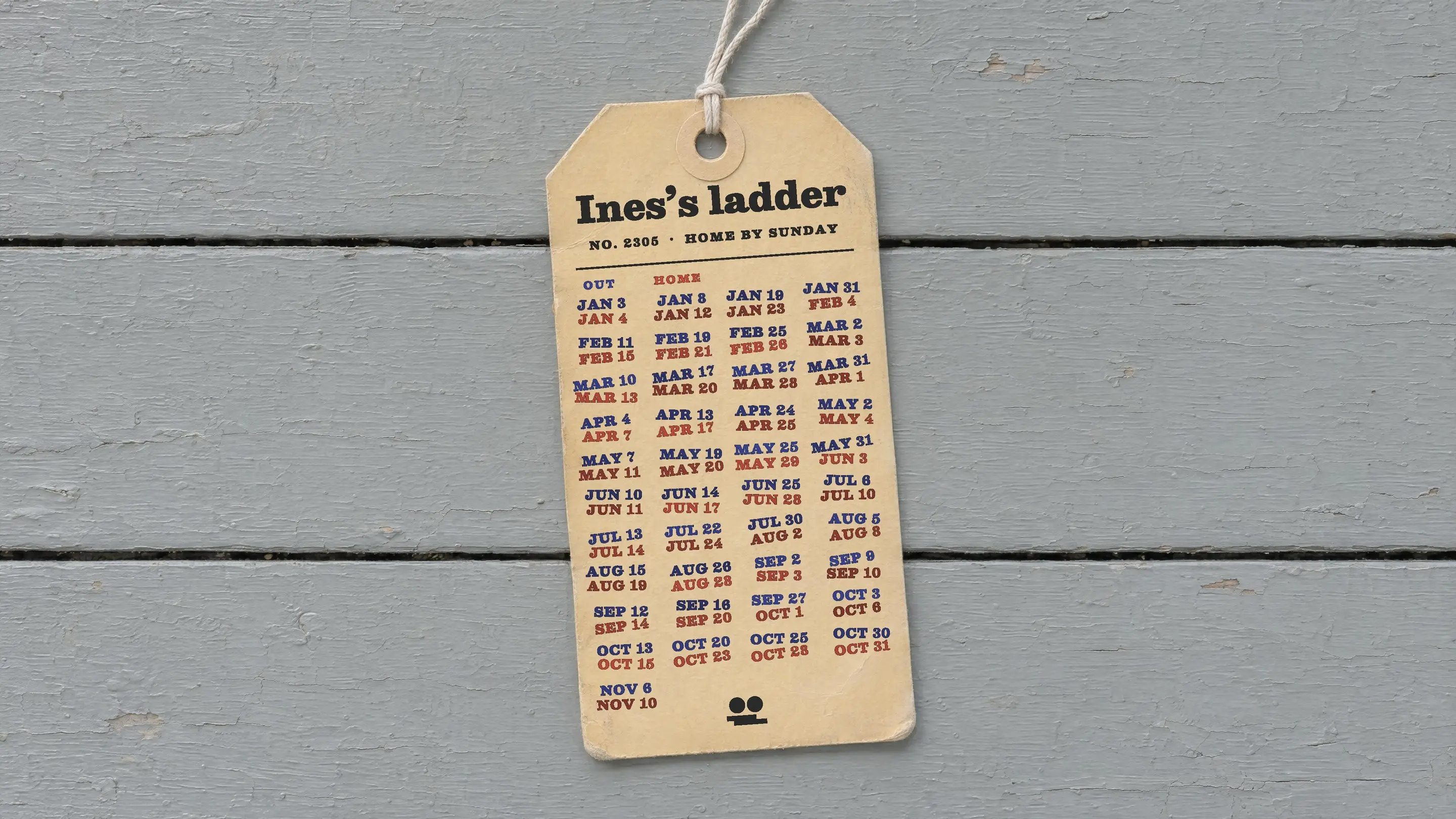
A manila tag reading Ines’s ladder, stamped 41 times out and 41 times home in two inks.

Every trip is stamped.

Every lent thing wears a tag. Each trip out and each trip home is stamped on it, the way a library stamps a book. Ines’s ladder has been out 41 times, so its tag is stamped 41 times out and 41 times home, in two inks. The same stamps are the history screen in the app.

“I did not want an app. I wanted my ladder back. The app was the cheapest way to get it.”

Ines Calloway, branch librarian, who built Stoop on her porch.

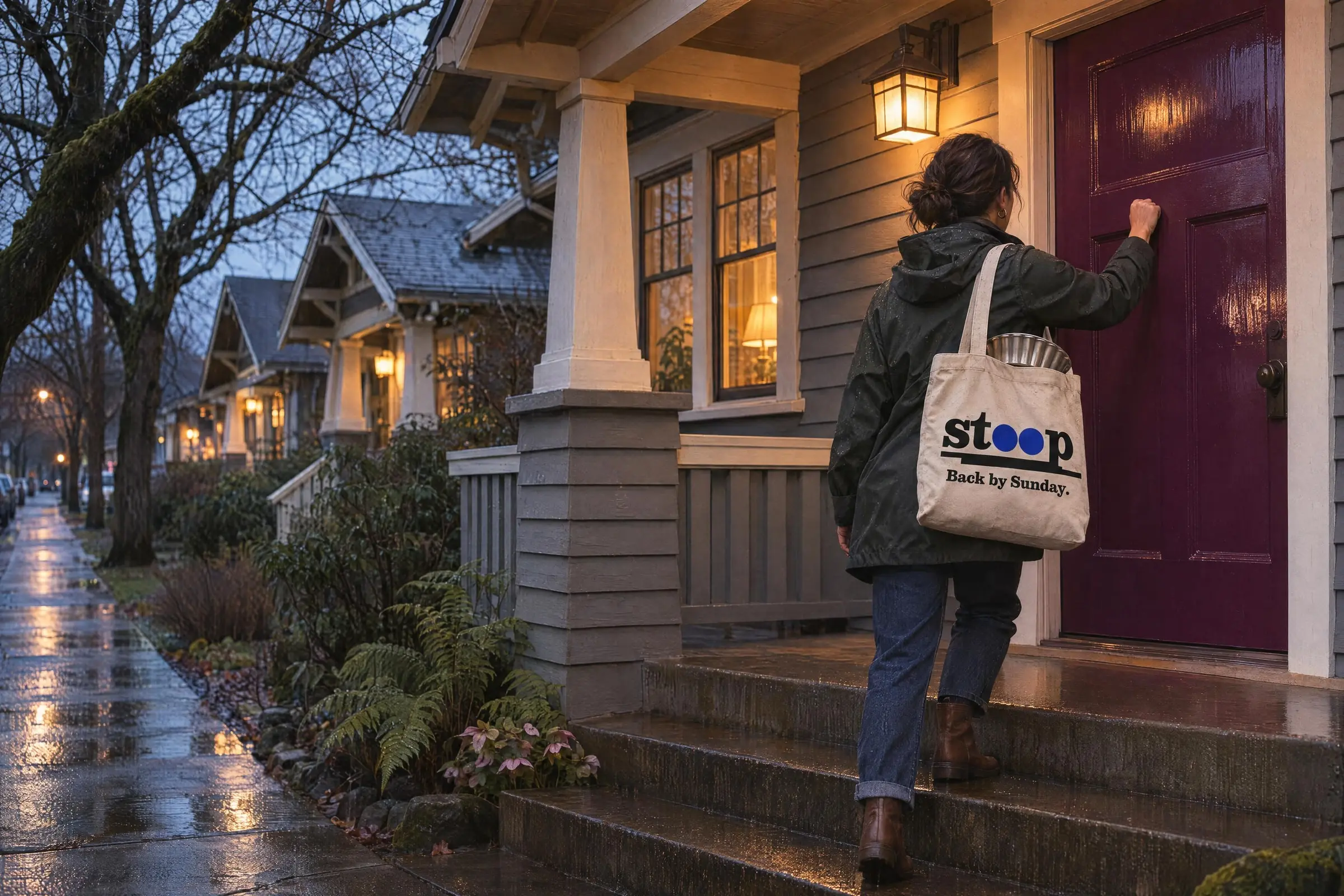
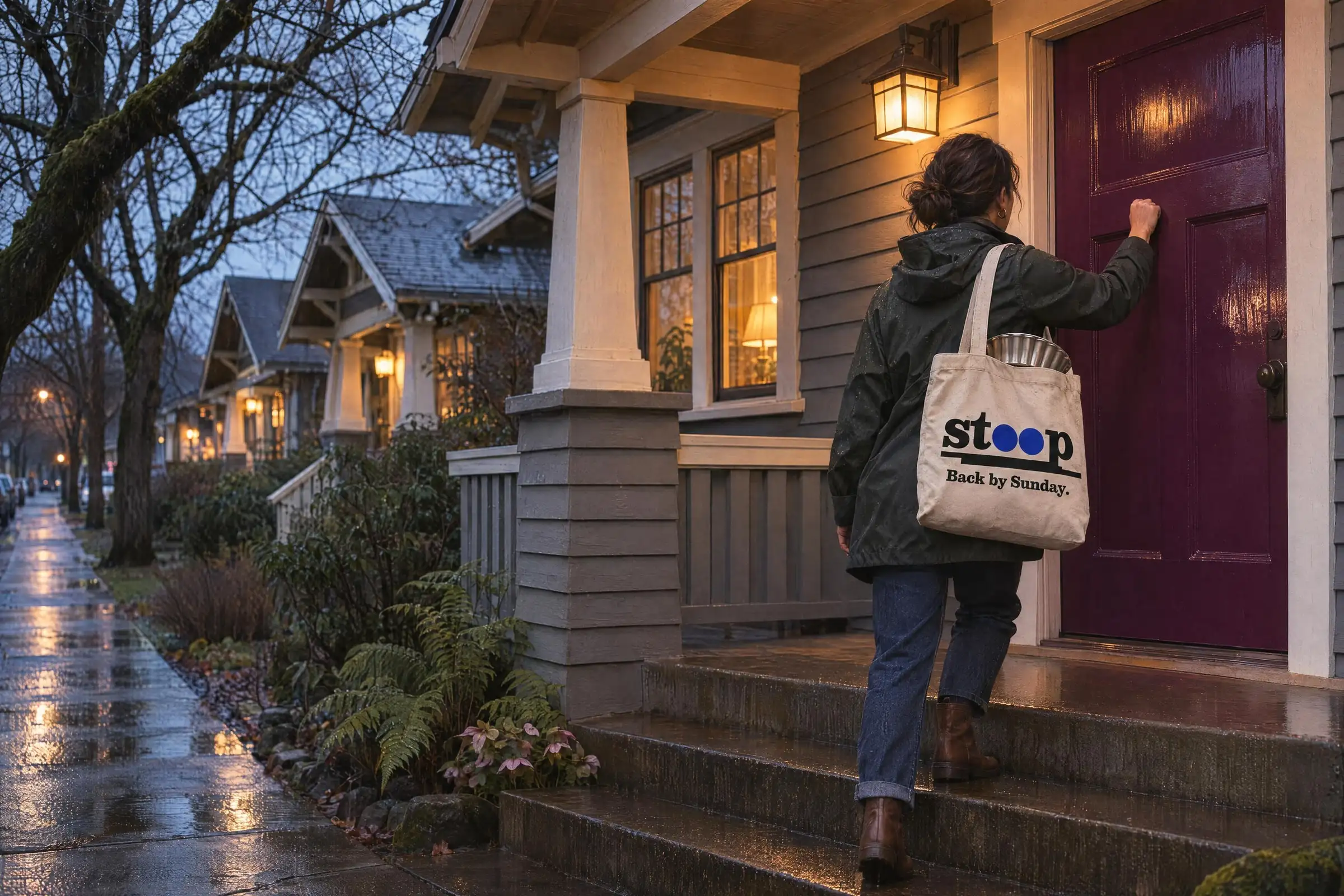
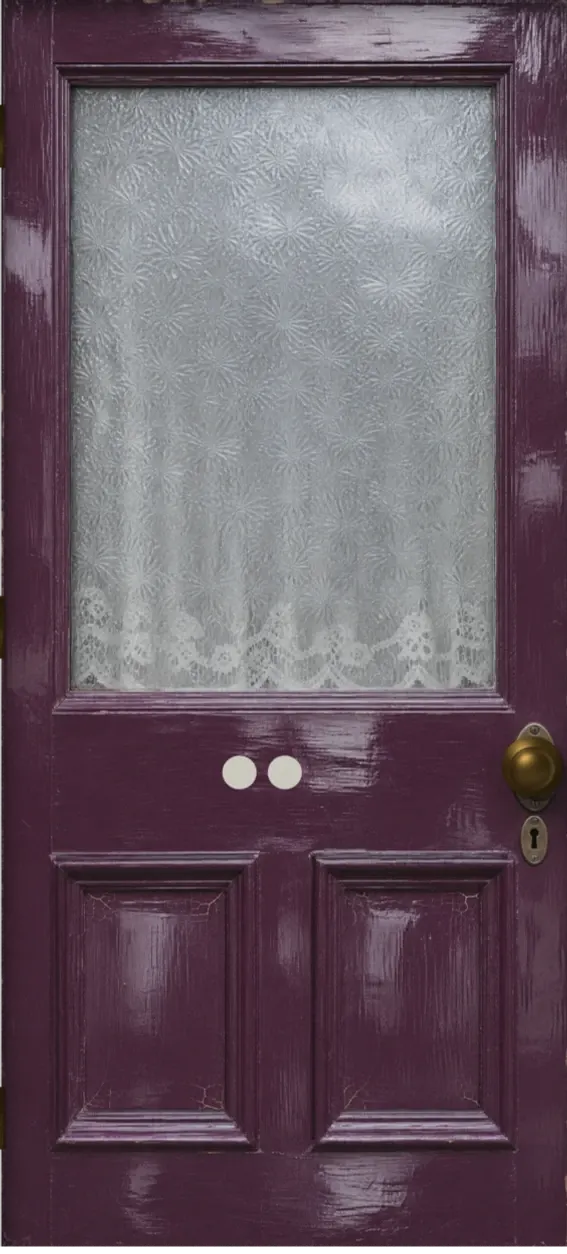
Dusk on a street of bungalows, porch lights on. A woman with a Stoop canvas bag on her shoulder, a cake pan poking out of it, knocks at a plum front door.
Dana takes her cake pans around to 2315.
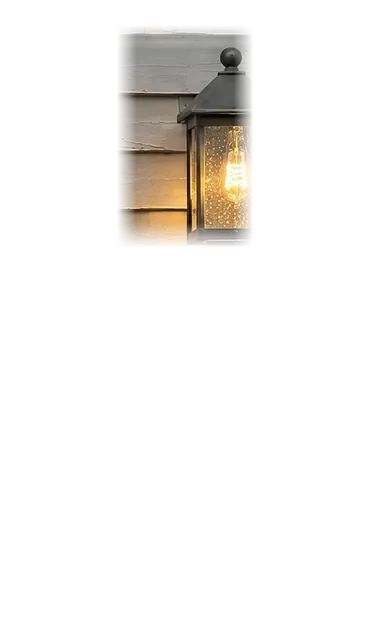
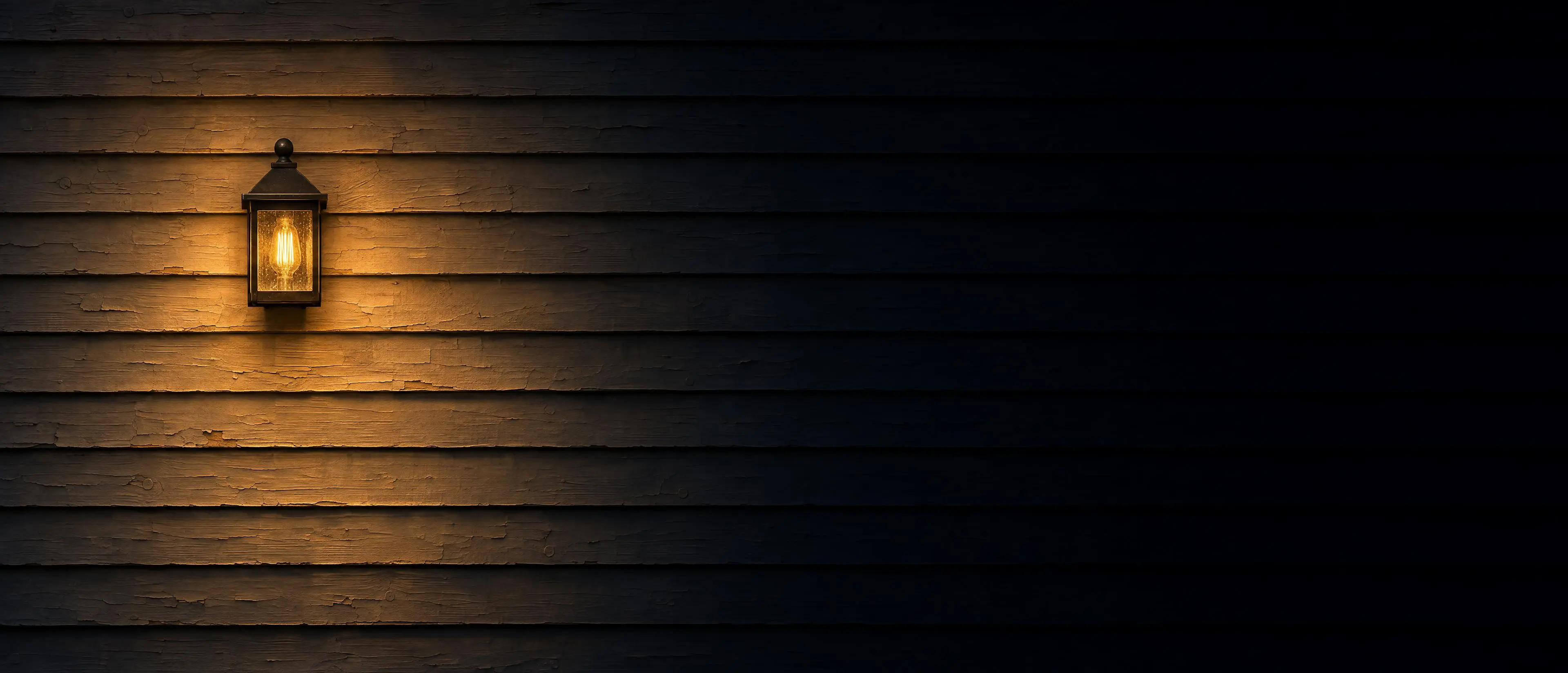
The same gray siding after dark. One iron lantern is lit; its light rakes across the old paint and falls away to black.

The app, after. It still does one thing.

Ines’s app already worked. We changed what it says and how it waits, and left what it does alone: it finds the thing, it knocks, and it tells you when the door opens.

2309

A drill

Mr. Okafor · 2 doors down

Comes back charged, or you hear about it.
He is in. The drill is in.

“It is on the porch. Mind the bit, it is new.”

Home by Sunday

  1. 1. Knock.

    Two soft taps, the way you would on the real door.

  2. 2. Wait on the step.

    No second knock, no nagging. Most doors open within the hour.

  3. 3. The door opens.

    Mr. Okafor says where it is, and when to bring it home.
Before. Ines’s own build. It worked, and it looked like every other app.
A neighbor’s screen: the street, in order of how far you would have to walk.
No request button. A knock, and then you wait, as you would.
It tells you when the door opens. That is the only notification.
Ines’s own screen for her ladder. No stars and no profiles: one number that matters, said twice.
A new block starts by choosing its door.

The block kit.

What a new block receives. Everything in it carries the same two dots.
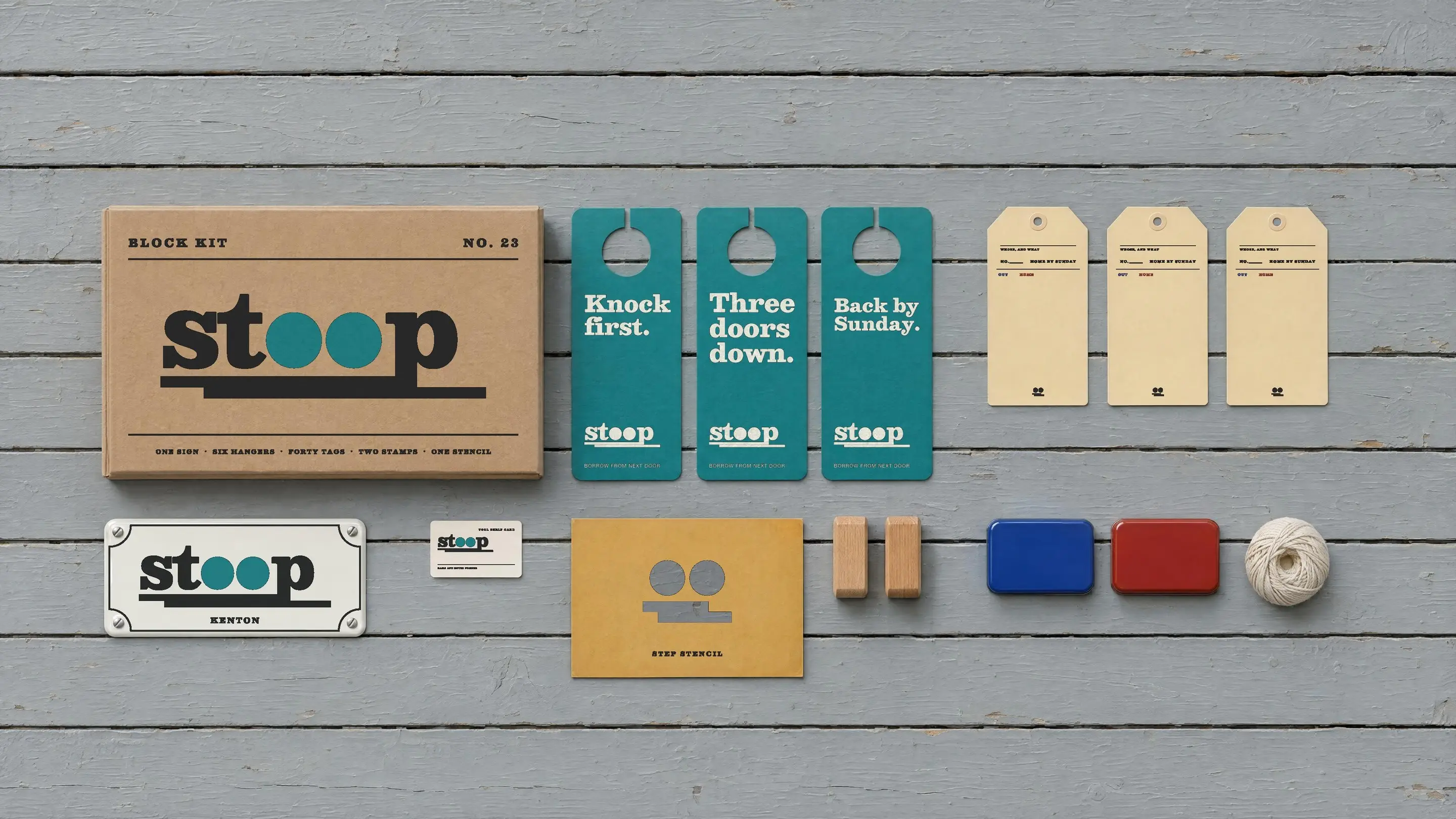
The block kit laid out: a box, a sign, three door hangers, three tags, a stencil, stamps, ink pads, string and a card.

We proposed. Ines decided.

At one end of the line, one marigold door on every street. At the other, every street choosing its own.

  1. We proposed

    One door color for all of Stoop: a single marigold that people would learn to spot, the way they spot a mailbox.

  2. Ines argued

    “My block is not Kenton. Give every neighborhood the same door and it is a chain. Nobody lends a ladder to a chain.”

  3. Ines decided

    Every neighborhood picks its own door from the chart. We argued for one fixed thing and kept two: the gray step, and the knock.

The county library put Stoop on its library card page in the spring. Forty neighborhoods became sixty-three, and no two doors match.

Set in Besley, an open typeface. Door colors matched to six real doors. Made on a porch in Sellwood.

Next letterNext door: Night Shift.Knock.